


September, 16-18, 2026, Saint Petersburg
 ONLINE REGISTRATION
-
Registration
-
Roundtable “Digitalization in Fisheries: A Tool for Business and Regulation”
Event details:
Digital technologies are becoming increasingly integrated into the operations of fishing companies and the work of the industry regulator, making their interaction faster and more efficient. Fishing companies actively use domestic and international services, including electronic permits, government e-services, the issuance of veterinary certificates on board vessels, and information on marine hydrology and weather conditions. All these solutions are designed to provide businesses with the information they need to improve the efficiency of their operations and fishing activities, increase economic returns, reduce costs, and implement the principles of lean production. For the regulator, these technologies provide tools for ensuring transparency and effective oversight. Further work is underway to introduce new technologies, including artificial intelligence (AI), across the industry.
Since the late 2010s, researchers have been actively using marine and aerial unmanned systems to monitor aquatic biological resources, including Pacific salmon and Baikal seals. Over time, these technologies have been supplemented by computer vision systems, neural networks, and artificial intelligence, which automate the processing and recognition of images in digital photographs, improving the efficiency and reproducibility of research. The effectiveness of this method also depends significantly on the technical specifications of the unmanned vehicles, which are continuously being improved, as well as on the proper planning of flight missions.
The use of unmanned systems and AI to monitor aquatic biological resources contributes to more effective fisheries management, better planning of fishing activities, and the conservation of fish populations. The processed data can be integrated into decision-support systems, making it possible to combine information from multiple sources to forecast the condition of ecosystems and biological resources.
The Center for Fisheries Monitoring and Communications has developed a service for short-term forecasting of fishing conditions, tracking the movement of detected fish aggregations, and providing fishing vessels with essential information on current hydrological conditions. The Center is currently testing the service in cooperation with fishing companies. AI is used to power the forecasting models.
Topics to discuss:
- What digital ecosystem has been established in the industry, and what innovations are expected in 2026?
- Which data-processing algorithms – including those using AI and computer vision – have demonstrated the greatest effectiveness in species recognition and biomass assessment based on drone data? How can the accuracy of such assessments be improved?
- What solutions could be effective for the digital support and guidance of fishing vessels during fishing operations?
- Which digital tools can help organize fish and seafood supply chains, reduce costs, and improve economic efficiency?
- What are the economic and environmental advantages of replacing traditional trawl surveys with monitoring based on unmanned aerial vehicles (UAVs) and autonomous underwater vehicles (AUVs)? What regulatory, technical, and financial barriers hinder the widespread adoption of such solutions?
- Which promising areas of development in underwater and aerial unmanned systems – including greater autonomy, multisensor platforms, and cross-domain vehicles – could radically transform fisheries research methodology over the next five to ten years? What joint international projects would be worth launching in this field?
- Which areas of aquaculture digitalization should be prioritized to provide businesses with tools for improving efficiency and regulators with effective tools for data collection and analysis?
Speakers:
- Alexander Mikhailov, Head, Centre for Fisheries Monitoring and Communication System
- Anatoly Dubnik, Deputy Head of the FSBI “Center for Fisheries Monitoring and Communications”
- Alexey Kolykhalov, Deputy Head of the FSBI “Center for Fisheries Monitoring and Communications”
- Oksana Ogiy, First Vice-Rector of Kaliningrad State Technical University (KSTU)
-
Guriy Kushner, Ph.D. in Engineering, Associate Professor, Head of the Department of Ship Electrical Equipment and Automation, Astrakhan State Technical University
From Unmanned Vessels to Smart Water Areas: New Solutions for Environmental Monitoring in the Fisheries Complexes of the Caspian Region - Denis Kotsyuk, Head of the Khabarovsk Branch, VNIRO
- Maxim Kulikov, Director of Fleet Management, Russian Crab Group of Companies
- Sergey Sennikov, Deputy Director, Norebo LLC
- Elena Izyumova, Vice President, Executive Director, Antey LLC, Moscow
-
Mikhail Zheleznyakov, Head of Sales, Industrial Automation, MAST
Effective Solutions for Fish and Seafood Labeling: Real-World Case Studies and Implementation Challenges in Harsh Conditions, Including Ports, Humidity, Freezing, Complex Product Shapes, Open-Sea Operations, and Limited or No Internet Connectivity -
Yury Maslakov, Technical Director, INVITRO VISION LLC
Experience in Using the KATRAN Stereoscopic Camera in Aquaculture Cage Farming Systems - Yulia Belikova, Founder of Fishplace.ru
- Evgeny Karpov, Founder, FishStat.ru
- Ekaterina Lapardina, Head of Projects for the “Semi-finished and Frozen Products” product group, Non-excise Food Products Directorate (CRPT)
- Yulia Babkina, Head of Department, Gazprom Space Systems
Speakers:
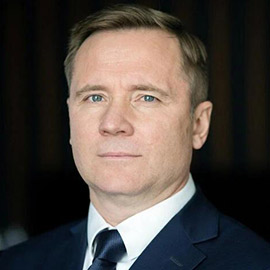
Alexander Mikhailov
Head, Centre for Fisheries Monitoring and Communication System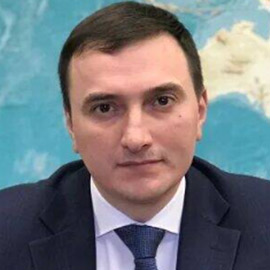
Anatoly Dubnik
Deputy Head of the FSBI “Center for Fisheries Monitoring and Communications”
Alexey Kolykhalov
Deputy Head of the FSBI “Center for Fisheries Monitoring and Communications”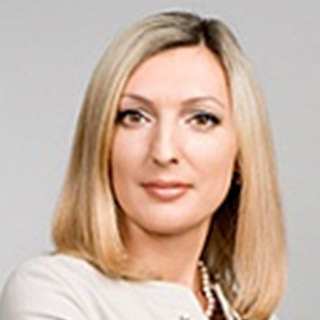
Oksana Ogiy
First Vice-Rector of Kaliningrad State Technical University (KSTU)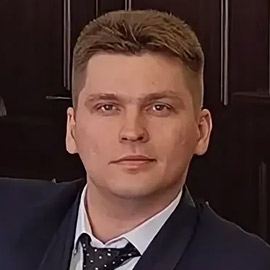
Guriy Kushner
Ph.D. in Engineering, Associate Professor, Head of the Department of Ship Electrical Equipment and Automation, Astrakhan State Technical University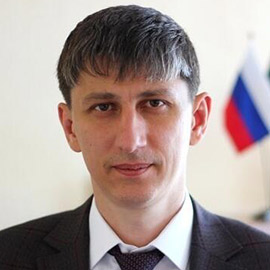
Denis Kotsyuk
Head of the Khabarovsk Branch, VNIRO
Maxim Kulikov
Director of Fleet Management, Russian Crab Group of Companies
Sergey Sennikov
Deputy Director, Norebo LLC
Elena Izyumova
Vice President, Executive Director, Antey LLC, Moscow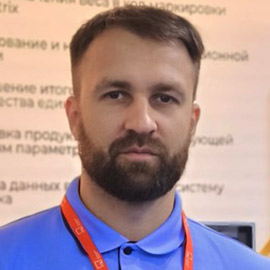
Mikhail Zheleznyakov
Head of Sales, Industrial Automation, MAST
Yury Maslakov
Technical Director, INVITRO VISION LLC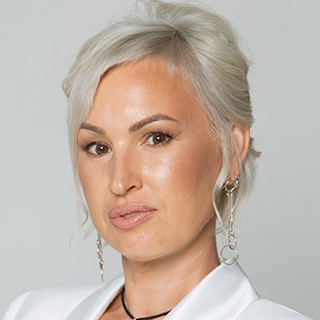
Yulia Belikova
Founder of Fishplace.ru
Evgeny Karpov
Founder, FishStat.ru
Ekaterina Lapardina
Head of Projects for the “Semi-finished and Frozen Products” product group, Non-excise Food Products Directorate (CRPT)
Yulia Babkina
Head of Department, Gazprom Space SystemsModerator:
Andrey Yakovlev
Deputy Head, Federal Agency for FisheriesOrganizers:


-
Youth Forum FISHERY SKILLS Roundtable “From Classroom to Workplace: How to Retain Graduates in the Industry”
Topics to discuss:
- Practical training and subsequent employment opportunities in Russia’s fisheries industry for students of the Federal Agency for Fisheries educational system
- Human resource potential of Russia’s fisheries sector: which specialists are in demand today and in the future?
- “Russian Student Teams” as a practical tool for integrating students and graduates into the workforce
- Professional opportunities in Russia’s fisheries industry: what makes the sector attractive today?
- What do graduates want, and how can the industry retain highly qualified young professionals?
- Young Professionals in Science: Is the Next Generation Joining Russian Research?
Speakers:
- Vasily Sokolov, Deputy Head, Federal Agency for Fisheries
- Artem Volnistov, Head of the Division, Development of Digitalization in Employment and Labor Migration, Department of Employment and Labor Migration, Ministry of Labour and Social Protection of the Russian Federation
- Yaroslav Zubashchenko, Head (Commander), Central Headquarters of the Russian Student Brigades
- Alexey Osintsev, President, Fishery Shipowners Association
- Tatyana Zhuk, Rector, Far Eastern State Technical Fisheries University (Dalrybvtuz)
-
Alexander Chekalin, Director of the Higher School of Fisheries and Marine Technologies at Northern (Arctic) Federal University named after M.V. Lomonosov (SAFU)
Ways to Overcome the Shortage of Teaching Staff in Sectoral Vocational Education and Training - Denis Monastyrsky, Head of the Scientific and Educational Center of the Federal Institute of Industrial Property (FIPS), Rospatent
Speakers:
Vasily Sokolov
Deputy Head, Federal Agency for Fisheries
Artem Volnistov
Head of the Division, Development of Digitalization in Employment and Labor Migration, Department of Employment and Labor Migration, Ministry of Labour and Social Protection of the Russian Federation
Yaroslav Zubashchenko
Head (Commander), Central Headquarters of the Russian Student Brigades
Alexey Osintsev
President, Fishery Shipowners Association
Tatyana Zhuk
Rector, Far Eastern State Technical Fisheries University (Dalrybvtuz)
Alexander Chekalin
Director of the Higher School of Fisheries and Marine Technologies at Northern (Arctic) Federal University named after M.V. Lomonosov (SAFU)
Denis Monastyrsky
Head of the Scientific and Educational Center of the Federal Institute of Industrial Property (FIPS), RospatentModerator:
Irina Kvyatkovskaya
Vice-Rector for Academic Affairs and International Activities, Astrakhan State Technical University, Doctor of Technical Sciences, ProfessorOrganizers:
-
Workshop “Fish Logistics after September 1, 2026: Practical Experience in Working with Electronic Transport Waybills”
Event details:
Speaker: Alexey Borisov, Founder and General Director of Fishtrans, a transportation company specializing since 2019 in the transportation of chilled and frozen fish, seafood and red caviar throughout Russia, as well as providing carrier and freight forwarding services to major fishery companies.
As of September 1, 2026, the electronic transport waybill (e-transport waybill, E-TTN) becomes mandatory for all parties involved in transportation. For the fishing industry, this is not simply a change in document format, but a restructuring of the entire shipment documentation process – from unloading at the port to acceptance by retail chains and distribution centers. The workshop is based on the practical experience of an operating refrigerated carrier: no rehashing of legislation, just real cases from the transition period, common issues at loading and acceptance, and practical solutions that work for businesses.
What We’ll Cover:
- Deadlines, penalties and, most importantly, tax risks for customers when an E-TTN is not properly issued
- Non-standard transportation situations, including drivers without individual entrepreneur status, without electronic document management (EDM), or self-employed drivers
- Interaction between carriers and retail chains within a unified electronic document flow
- Common issues with document signing and acceptance – and how to resolve them on the spot
- Practical steps for a quick and straightforward transition to E-TTNs
Speaker:
- Alexey Borisov, Founder and General Director of Fishtrans
Speaker:
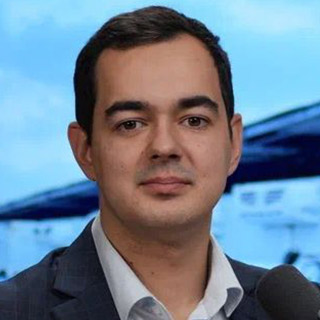
Alexey Borisov
Founder and General Director of FishtransOrganizers:

-
AQUA FARM GLOBAL Presentation: “Current Technologies and Services for Cage Fish Farms: From Equipment Selection to Efficient Operation”
Event details:
-
Irina Zakharevich, Executive Director, Net-Making Factory “LYUKSOL”
Current Technologies and Services for Cage Farms: From Equipment Selection to Efficient Operation. Why Fish Farmers Choose LUXOL Knotless Netting -
Sergey Galizin, General Director, Hermes LLC
Selecting Quality Equipment: The Key to Successful Fish Farming Operations. Design and Installation of Reliable Cage Systems. Maintenance Services. For the First Time: Submersible Fish Cages in the Black Sea. Safe Fish Farming Hermes LLC is a leading company in the aquaculture sector. With extensive experience, modern equipment and innovative approaches, the company delivers projects of varying complexity, from the design stage to the construction of complete fish farming facilities. All components used in its products are manufactured in-house. The company’s equipment, including fish cages and pontoon systems, is certified. Hermes takes pride in the professionalism and quality of its work, which are recognized by major Russian and international companies.
Speakers:
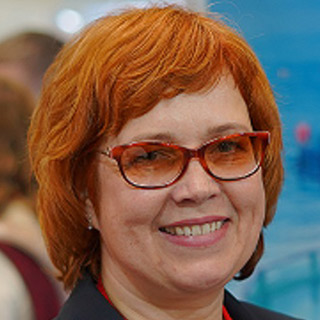
Irina Zakharevich
Executive Director, Net-Making Factory “LYUKSOL”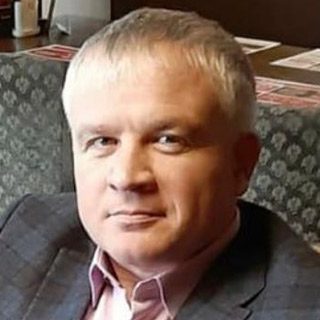
Sergey Galizin
General Director, Hermes LLCOrganizers:


-
Irina Zakharevich, Executive Director, Net-Making Factory “LYUKSOL”
-
Business Session “New Supply Chains and Emerging Routes for Seafood Trade Expansion in BRICS+ countries”
Event details:
Today, BRICS+ countries account for more than 50% of Russia’s fish exports. Expanding this format opens up new significant markets interested in imports of Russian fish and seafood. However, practical cooperation is constrained by systemic barriers: tariff distortions (discriminatory duties for Russian exporters), non-tariff restrictions (lack of mutual recognition of veterinary certificates), and logistical gaps.
The session’s objective is to develop, within 90 minutes, concrete solutions for export diversification, removal of barriers, and the creation of systemic interaction mechanisms within the BRICS+ format. The outcome will be a proposal to establish a Fisheries Working Group under the BRICS Business Council–a standing platform to harmonize requirements and develop solutions.
Topics to discuss:
- What practical steps are needed to activate deliveries to new BRICS+ markets?
- How can cooperation be structured to diversify supply and reduce logistics costs and the costs of adapting to foreign regulations?
- Which product categories (pollock, cod, herring, deeply processed products) have the greatest export potential on each of these markets?
Speakers:
-
Ibrahim Mello, Iran and Middle East Expert (GR, SRVT); Member, BRICS+ Consortium Business Council; Director of Foreign Trade, Aurora78
Middle Eastern and Iranian Markets: Understanding Buyers, Building Logistics, and Managing Risks -
Ali Akbar Khodaei, Secretary General, Iran Fisheries Production and Trading Union
Strengthening Iran–Russia Cooperation in Fish and Seafood Trade: Export Potential, Logistics, and Opportunities within BRICS+ -
Oleg Lityaykin, Managing Director, Industry Expertise Center, Rosselkhozbank JSC
BRICS+ Markets and Prospects for Russian Fish Exports -
Andre Septiyanto, Head, PT. MIR (Maju Indonesia, Russia); B2BASEAN Alliance, Global South Business Alliance
Enhancing Food Security through Indonesia–Russia Cooperation -
Nguyen Mai Hong, General Director, V-EXIM Solutions Co., Ltd; Representative, Vietnam Automation Association in Russia, Global South Business Alliance
Closed-cycle technology for offshore marine aquaculture cultivation with zero discharge of waste into the environment -
Rakesh Kumar, Country and Business Head – Russia, IFB Agro Industries Ltd., India
India as a Reliable Supplier of High-Quality Seafood: Experience in Cooperation -
Yulia Kuvarzina, CEO, AL RAIED EXPORT, Member of the Business Council, BRICS+ International Consortium and the Russian Council of International Trade; practitioner and expert on the Middle Eastern markets, Global South Business Alliance
Iraq as a New Market for Fish and Seafood Exports -
Artem Povarov, General Director, ASP Logistic LLC
From Shipping Routes to Markets: A New-Generation Logistics Operator for Fish and Seafood Exports to BRICS+ Countries and Africa -
Alexey Buglak, President of the Pollock Harvesters Association
Eco certification of products from BRICS+ countries as a market tool
Speakers:
Ibrahim Mello
Iran and Middle East Expert (GR, SRVT); Member, BRICS+ Consortium Business Council; Director of Foreign Trade, Aurora78
Ali Akbar Khodaei
Secretary General, Iran Fisheries Production and Trading Union
Oleg Lityaykin
Managing Director, Industry Expertise Center, Rosselkhozbank JSC
Andre Septiyanto
Head, PT. MIR (Maju Indonesia, Russia); B2BASEAN Alliance, Global South Business Alliance
Nguyen Mai Hong
General Director, V-EXIM Solutions Co., Ltd; Representative, Vietnam Automation Association in Russia, Global South Business Alliance
Rakesh Kumar
Country and Business Head – Russia, IFB Agro Industries Ltd., India
Yulia Kuvarzina
CEO, AL RAIED EXPORT, Member of the Business Council, BRICS+ International Consortium and the Russian Council of International Trade; practitioner and expert on the Middle Eastern markets, Global South Business Alliance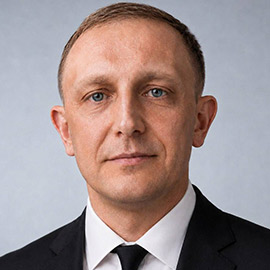
Artem Povarov
General Director, ASP Logistic LLC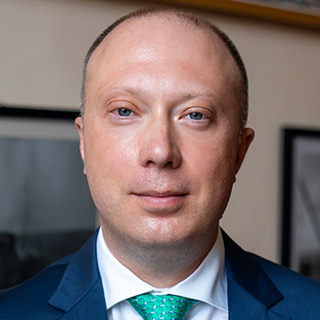
Alexey Buglak
President of the Pollock Harvesters AssociationModerator:
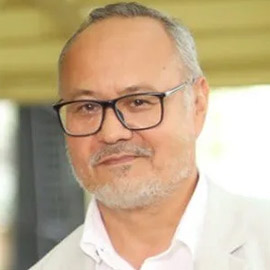
Lybarto Sartoyo Sanvirya
Deputy Chairman of the Russian-Asian Union of Industrialists and Entrepreneurs, President of B2BASEAN Alliance, Global South Business AllianceOrganizers:


-
Roundtable “The Caspian Sea Without Borders: Science, Environmental Sustainability, and Digital Technologies for Fisheries”
Event details:
The Caspian Sea has no borders in the true sense of the word. Its ecosystem is unified: fish do not follow political demarcation lines, pollution does not stop at national borders, and changes in the food base in one part of the basin immediately affect the entire water body. At the same time, the Caspian is divided among five countries, each pursuing its own environmental management policies, with differing levels of scientific infrastructure and its own approach to balancing hydrocarbon extraction with the preservation of fisheries potential.
This is where science, ecology and digital technologies cease to be separate disciplines and become a single integrated tool. Artificial intelligence technologies – including predictive modelling, satellite data analysis, computer vision, and early warning systems for pollution – can provide what traditional monitoring methods lack: speed, coverage, and real-time responsiveness across an entire enclosed water system. However, technology without data is powerless, and data without cooperation is incomplete.
Universities across the Caspian states, united by a shared scientific agenda, hold unique potential to form a cross-border research environment – one in which shared datasets, harmonized methodologies, and the training of a new generation of specialists become the foundation for the sustainable development of the entire regional fisheries sector.
The roundtable “The Caspian Sea Without Borders” is a platform for equal dialogue between science, business and international organizations on how, by removing institutional and national barriers, the Caspian Sea can be preserved as a living ecosystem and a foundation of the fisheries sector for present and future generations.
Speakers:
-
Saule Asylbekova, First Deputy Director of the Research and Production Center for Fisheries LLP, Republic of Kazakhstan, Dr. Sci. (Biology), Academic of Kazakh Academy of Agrarian Sciences
Assessing the Distribution of Commercial Fish Species in the Kazakhstani Sector of the Caspian Sea Using Trawl and Hydroacoustic Surveys - Gulshat Zhumatova, Head of the laboratory of complex research and monitoring "Kaspiy" at Atyrau University named after Kh. Dosmukhamedov, Republic of Kazakhstan
- Ali Safar Makanali, Advisor to the Union of Iranian Seafood Producers and Exporters on Aquatic Animal Health and Veterinary Quarantine Regulations
- Farid Ganiev, Deputy Director, Center for Fisheries and Aquaculture of the Republic of Azerbaijan
- Mikhail Glubokovsky, Scientific Supervisor at the Russian Federal Research Institute of Fisheries and Oceanography (VNIRO), Doctor of Biological Sciences, Professor.
- Alexandra Figurek, Doctor of Sciences, University of Nicosia, Mediterranean Institute of Management Sciences, Republic of Cyprus.
- Elena Chertina, Director of the Scientific and Educational Center for Professional Competencies of "Astrakhan State Technical University", PhD, associate professor
- Almat Suyubayev, CEO of the Research and Production Center for Fisheries LLP, Republic of Kazakhstan
Speakers:
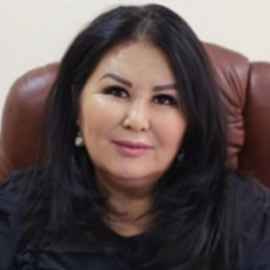
Saule Asylbekova
First Deputy Director of the Research and Production Center for Fisheries LLP, Republic of Kazakhstan, Dr. Sci. (Biology), Academic of Kazakh Academy of Agrarian Sciences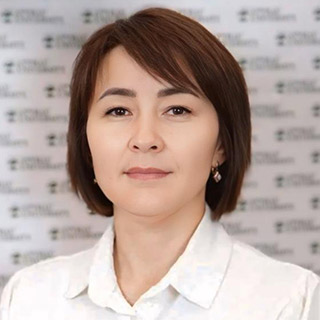
Gulshat Zhumatova
Head of the laboratory of complex research and monitoring "Kaspiy" at Atyrau University named after Kh. Dosmukhamedov, Republic of Kazakhstan
Ali Safar Makanali
Advisor to the Union of Iranian Seafood Producers and Exporters on Aquatic Animal Health and Veterinary Quarantine Regulations
Farid Ganiev
Deputy Director, Center for Fisheries and Aquaculture of the Republic of Azerbaijan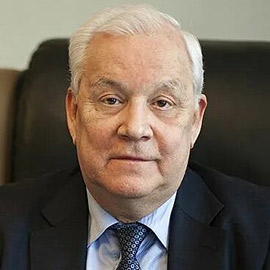
Mikhail Glubokovsky
Scientific Supervisor at the Russian Federal Research Institute of Fisheries and Oceanography (VNIRO), Doctor of Biological Sciences, Professor
Alexandra Figurek
Doctor of Sciences, University of Nicosia, Mediterranean Institute of Management Sciences, Republic of Cyprus
Elena Chertina
Director of the Scientific and Educational Center for Professional Competencies of "Astrakhan State Technical University", PhD, associate professor
Almat Suyubayev
CEO of the Research and Production Center for Fisheries LLP, Republic of KazakhstanModerator:
Vasily Sokolov
Deputy Head, Federal Agency for FisheriesOrganizers:

-
Saule Asylbekova, First Deputy Director of the Research and Production Center for Fisheries LLP, Republic of Kazakhstan, Dr. Sci. (Biology), Academic of Kazakh Academy of Agrarian Sciences
-
Youth Forum FISHERY SKILLS Panel Session “Dive Into the Industry! Opportunities for Russian Youth in the Fisheries Sector”
Event details:
Today’s youth in Russia represent 37 million citizens who are studying and beginning their career paths within the country. The fisheries sector employs tens of thousands of students and hundreds of thousands of professionals engaged in the full production cycle of fish products, ensuring national food security.
Each of them has opportunities not only for professional growth as employees of enterprises, but also for personal development as individuals. Today, all the necessary conditions for developing human capital have been created, and young specialists only need to make use of them.
The panel session “Dive Into the Industry! Opportunities for Russian Youth in the Fisheries Sector” will explore best practices for youth development both at the national level and specifically within the fisheries industry.
Topics to discuss:
- Youth policy of Russia’s fisheries sector as the key driver of workforce security in the industry
- The Rosmolodezh ecosystem and opportunities for youth in Russia’s fisheries sector
- Experience of cooperation between the All-Russian student project "Tvoi Khod" (Your move) and the Federal Agency for Fisheries education complex
- Russia – a Land of Opportunities: equal opportunities for everyone
- Practical mechanisms for engaging children in Russia’s fisheries sector
- Value-based messaging: how to convey “Knowledge” to the younger generation in Russia
Speakers:
-
Andrey Yakovlev, Deputy Head, Federal Agency for Fisheries
Young professionals are the future of Russia’s fisheries complex - Egor Litvinenko, Deputy Head, Federal Agency for Youth Affairs
-
Maksim Bobrov, Deputy Head, All-Russian Student Project “Tvoy Khod”
Experience of collaboration between the All-Russian student project “Tvoy Khod” and Rosrybolovstvo’s education complex -
Evgeny Masyutkin, Rector, Kerch State Marine Technological University
Sabriye Varlamova, Candidate of Biological Sciences, Chair of the Council of Young Scientists and Head of the Department for Scientific and Technical Activities, Kerch State Marine Technological University (KGMTU) -
Oksana Ogiy, First Vice-Rector of Kaliningrad State Technical University (KSTU)
Digital Game-Based Technologies in Industry-Specific Education: From Purpose to Value -
Pavel Emelin, Deputy Chair of the Youth Council under Federal Agency for Fisheries and of the Council of Young Scientists at the State Research Center “VNIRO”
Youth councils as a driver of workforce development in the fisheries industry - Alena Shpakova, Project Support Engineer, Murmansk Marine Fishing Port
Speakers:
Andrey Yakovlev
Deputy Head, Federal Agency for Fisheries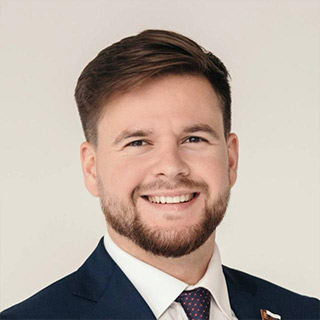
Egor Litvinenko
Deputy Head, Federal Agency for Youth Affairs
Maksim Bobrov
Deputy Head, All-Russian Student Project “Tvoy Khod”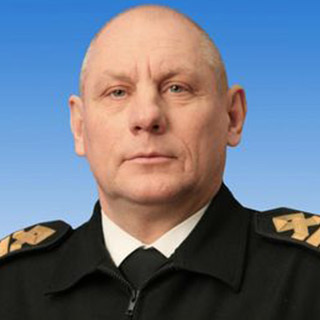
Evgeny Masyutkin
Rector, Kerch State Marine Technological University
Sabriye Varlamova
Candidate of Biological Sciences, Chair of the Council of Young Scientists and Head of the Department for Scientific and Technical Activities, Kerch State Marine Technological University (KGMTU)
Oksana Ogiy
First Vice-Rector of Kaliningrad State Technical University (KSTU)
Pavel Emelin
Deputy Chair of the Youth Council under Federal Agency for Fisheries and of the Council of Young Scientists at the State Research Center “VNIRO”
Alena Shpakova
Project Support Engineer, Murmansk Marine Fishing PortModerator:
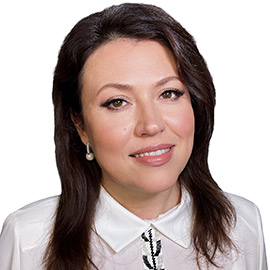
Galina Rozinkevich
Vice-Rector for Educational Work and Youth Policy, Kaliningrad State Technical UniversityOrganizers:
-
Awards Ceremony for the Winners of the All-Russian “Professionals” Competition in Fisheries Competencies
Organizers:
-
2nd All-Russian Youth Biohackathon “FARWATER 2026: From Aquatic Bioresources to the Bioeconomy” – Final
Event details:
In 2026, the Biohackathon “FARWATER” will take place for the second time as part of the International Fishery Forum, this year under the slogan “FARWATER 2026: From Aquatic Bioresources to the Bioeconomy.”
The competition will bring together young researchers, engineers, technologists, developers and entrepreneurs to address practical challenges facing the industry. This year’s key themes include the exploration and sustainable use of the White Sea’s biological resources, the application of artificial intelligence in aquaculture, advanced and zero-waste processing of raw materials, the development of functional products, and workforce development for the emerging bioeconomy.
Participants will be offered 24 industry challenges, with eight challenges in each of the following three tracks:
- Smart Aquaculture and White Sea Bioresources – resource monitoring and stock assessment, automation, robotic technologies, digital management and traceability systems, and energy-efficient primary processing of raw materials
- Advanced Processing and Functional Products – biorefining, food and cosmetic ingredients, preservation of valuable components of algae, zero-waste production cycles, and bringing new products to market
- Media Promotion and Human Capital for the Bioeconomy – promoting aquatic bioresources, industry-focused media projects, educational and digital services, development of regional brands, career guidance and attracting young professionals
The challenge for participating teams is not only to propose a promising idea, but also to develop a well-designed solution that can be tested, scaled and implemented in the real economy.
The jury is composed of leading representatives of the industry community:
-
Government and industry
Vasily Sokolov, Deputy Head, Federal Agency for Fisheries (Jury Chair) -
Science and education
Konstantin Bandurin, Deputy Director — Head of the Atlantic Branch of the State Research Center of the Russian Federation, FSBSI “VNIRO” (“AtlantNIRO”)
Evgeny Masyutkin, Rector of Kerch State Marine Technological University -
Business and investment
Anatoly Khitrov, Founder of LLC NPO “BIT” (General Partner of the Competition)
Oleg Lityaykin, Managing Director, Industry Expertise Center, Rosselkhozbank JSC -
Industry associations
Tatyana Puchkova, Chair of the Board of the Russian Perfumery and Cosmetics Association (RPCA) -
Regional government
Irina Bazhanova, Minister of Agro-Industrial Complex and Trade of Arkhangelsk Oblast
The jury will assess the innovative potential, technological feasibility, and practical significance of projects presented by young specialists from leading universities and research organizations across Russia.
The final will take place on September 16, 2026, from 2:00 p.m. to 5:00 p.m. at the Expoforum Convention and Exhibition Centre, as part of the business program of the 9th International Fishery Forum and Seafood Expo Russia. Finalists will present their completed projects on a single stage before a federal-level jury and industry experts and compete for the prize fund.
Participation details, industry challenges and registration are available at https://biohackathon.ru/
Jury:
Vasily Sokolov
Deputy Head, Federal Agency for Fisheries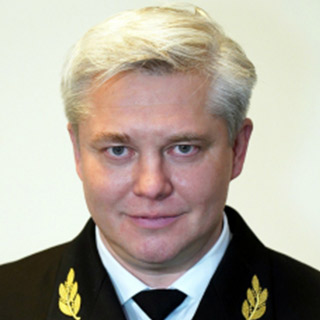
Konstantin Bandurin
Deputy Director — Head of the Atlantic Branch of the State Research Center of the Russian Federation, FSBSI “VNIRO” (“AtlantNIRO”)
Evgeny Masyutkin
Rector, Kerch State Marine Technological University
Anatoly Khitrov
Founder of LLC NPO “BIT”
Oleg Lityaykin
Managing Director, Industry Expertise Center, Rosselkhozbank JSC
Tatyana Puchkova
Chair of the Board of the Russian Perfumery and Cosmetics Association (RPCA)
Irina Bazhanova
Minister of Agro-Industrial Complex and Trade of Arkhangelsk OblastOrganizers:



-
Roundtable “Innovations in Fish Processing: Equipment, Packaging, and Ingredients”
Event details:
The growth in the share of value-added fish products depends not only on catch volumes, but also on the state of production and market infrastructure, including access to modern processing technologies, equipment development, the availability of ingredient bases, and packaging solutions that ensure convenience, product safety, and consumer appeal.
The systematic development of these areas creates a foundation for scaling ready-to-cook and ready-to-eat formats, which are becoming key drivers of transformation in the fisheries industry and reflect a shift toward a more sophisticated product and consumer market structure.
Topics to discuss:
- What systemic constraints currently define the scale of deep fish processing, from technologies and equipment to demand structure and logistics?
- What needs to change in the production, technological and distribution chain for ready-to-cook and ready-to-eat fish products to become mainstream rather than niche offerings?
- Where in the value creation chain, from harvesting and processing to packaging and distribution, is the main value-added generated today and through which infrastructure elements can it be lost?
- What currently limits the development of demand for ready-made fish products: price, consumer habits or the lack of competitive technological and product offerings?
- Who can drive the transition to a product-oriented model and through which solutions: fisheries, processing industry, retail or an integrated ecosystem of technology, market and production?
Speakers:
- Ilya Orsik, Deputy Head, Agriculture, Food and Road-building Machinery, Ministry of Industry and Trade of the Russian Federation
-
Pavel Zubkov, CEO, Morskie Kompleksnye Sistemy (MKS)
Processing Equipment, Ship Completion, and Import Substitution of Finishing Materials -
Ilmir Akchurin, Business Development Manager, OK LLC
Energy-Efficient Refrigeration Technologies as a Way to Reduce the Production Costs of Value-Added Fish Products -
Natalia Murina, Vice-Rector for International Affairs, Technology Transfer and Commercialization, Russian Biotechnological University (ROSBIOTECH)
From Marine Raw Material to a High-Value-Added Product: Raw Material Passport, Process Flow Chart, and Pilot Solutions -
Maria Ledneva, Director of Research and Development, Unifrost Group of Companies
Today’s Priorities for Equipment Manufacturers: The Processor’s Perspective -
Evgeny Meshcheryakov, Professional Chef and Food Production Technologist; Restaurant Projects: Blok, Zhivago, Beluga, UmiOysters, More na Patrikakh; Founder, Dary Rusi Company
Creating New Fish Product Concepts and Flavors through Ingredients and Technology -
Vladimir Volkov, Director of the Center for Advanced Protein Technologies, Kaliningrad State Technical University (KSTU)
Fish protein hydrolysates in fish products and packaging
Speakers:
Ilya Orsik
Deputy Head, Agriculture, Food and Road-building Machinery, Ministry of Industry and Trade of the Russian Federation
Pavel Zubkov
CEO, Morskie Kompleksnye Sistemy (MKS)
Ilmir Akchurin
Business Development Manager, OK LLC
Natalia Murina
Vice-Rector for International Affairs, Technology Transfer and Commercialization, Russian Biotechnological University (ROSBIOTECH)
Maria Ledneva
Director of Research and Development, Unifrost Group of Companies
Evgeny Meshcheryakov
Professional Chef and Food Production Technologist; Restaurant Projects: Blok, Zhivago, Beluga, UmiOysters, More na Patrikakh; Founder, Dary Rusi Company
Vladimir Volkov
Director of the Center for Advanced Protein Technologies, Kaliningrad State Technical University (KSTU)Moderator:
Andrey Mikhalevich
Head, Economics and Investment Department, Federal Agency for FisheriesOrganizers:

-
Roundtable “State of Global Fisheries and Aquaculture in 2026”
Event details:
The round table will present the key points from The State of World Fisheries and Aquaculture 2026 (SOFIA–2026) FAO flagship report and the outcomes of the 37th session of the FAO Committee on Fisheries (Rome, 7–11 September 2026) with a special focus on approaches and recommendations for addressing pressing challenges in aquatic food systems.
Global production of aquatic resources has continued to grow, reaching a new high of 235 million tonnes in 2024, providing livelihoods to more than 600 million people. This growth has been primarily driven by the development of aquaculture, with its production surpassing a record of 100 million tonnes.
In addition, almost 230 countries and territories participated in the trade in aquatic foods, generating the total revenue of approximately USD 186 billion. The internationally traded share of aquatic animal foods reached 36%, and the per capita consumption rate amounted to 21.3 kg.
SOFIA–2026 is focused on promoting sustainable aquaculture development to meet the growing demand for aquatic foods; ensuring effective management of the fisheries sector to improve the health of fish stocks and generate equitable livelihoods; and modernizing aquatic food value chains in accordance with the FAO Blue Transformation concept.
Published biennially, The State of World Fisheries and Aquaculture (SOFIA) FAO flagship report, which is targeted at state body representatives, scientists, fishers and fish farmers, representatives of the fishing industry and trade networks, civil society and consumers, provides up-to-date information, evidence, and scientific views on challenges and opportunities, and practical recommendations regarding innovative solutions that impact the current state of the sector and its future.
SOFIA–2026 with the main theme of Blue Transformation: turning vision into impact provides examples of activities and initiatives coordinated by FAO in collaboration with member states, partners, and key stakeholders, which are aimed at better integrating aquatic foods into efforts to ensure global food security and sustainability, scientific research and capacity building activities, and promote sustainable practices and technological innovations.
The document presents the role of FAO and its partners in encouraging the transformation needed to expand and intensify aquaculture, effectively manage global fishery resources, and improve the efficiency of aquatic value chains. In addition, it examines the challenges and opportunities related to the untapped potential of using fish processing by-products to improve food security and nutrition and describes the role of aquatic food systems in finding critical solutions for climate, biodiversity, and the environment.
The report forecasts trends to 2034 based on improved approaches to data collection, updated tools and analysis and evaluation methods.
Established by the FAO Conference in 1965, the Committee on Fisheries (COFI) is the only global intergovernmental forum to hold global consultations and develop recommendations on technical and policy issues related to world fisheries and aquaculture.
The Committee provides global guidelines to regional fishery bodies, the private sector, and the international community. COFI contributed to the development and adoption of a number of mandatory and voluntary documents that changed the approach to work in the fisheries sector in the interests of ensuring resource sustainability and biodiversity conservation.
During the 37th session of the Committee (Rome, 7–11 September 2026), it is planned to discuss the role of FAO and regional fishery bodies (RFB) in promoting the implementation of international agreements related to fisheries and aquaculture, sustainable solutions for climate change adaptation and mitigation in aquatic environments, and supporting small-scale fisheries and aquaculture, including inland fisheries, and enhancing their contribution to food security, nutrition, and livelihoods of coastal communities.
Welcome speech:
- Oleg Kobiakov, Director, FAO Russia Liaison Office
- Kirill Kolonchin, D.Sc. in Economics, Director, VNIRO
- Zheng Xianhu, Director of the Heilongjiang Fishery Research Institute, Chinese Academy of Fishery Sciences (CAFS)
Speakers:
-
Manuel Barange, Assistant Director-General, Director of the Fisheries and Aquaculture Division of FAO, Rome, Italy (video message)
Key points from The State of World Fisheries and Aquaculture 2026 flagship report -
Haydar Fersoy, FAO Senior Fisheries and Aquaculture Officer for Europe and Central Asia, Secretary of the Central Asian and Caucasus Regional Fisheries and Aquaculture Commission (CACFish)
Outcomes of the 37th session of the FAO Committee on Fisheries (Rome, 7–11 September 2026) -
Virginia Maria da Cruz Godinho Pires Correia, Minister of Fisheries and Maritime Economy of the Republic of Guinea-Bissau
From Resource Management to Sustainable Development: The Experience of Guinea-Bissau in Promoting Sustainable Fisheries and the Blue Economy -
Alexander Panin, Chairman, Fish Union
On the state and current trends of global trade in fish and fish products -
Konstantin Globenko, General Director, RFC
From raw-material exports to value-added creation: where Russia is already winning and what’s holding back faster progress? -
Konstantin Sokolov, PhD (Biology), Head of the Polar Branch of VNIRO (PINRO named after N.M. Knipovich)
Scientific support for sustainable fisheries in the Northern Basin: challenges and prospects -
Victoria Barinova, Ph.D. in Agricultural Sciences, Head of the Aquaculture Department, VNIRO
From technology to ecology: priorities for aquaculture development in Russia in the context of food security and aquatic ecosystem conservation
Welcome speech:

Oleg Kobiakov
Director, FAO Russia Liaison Office
Kirill Kolonchin
D.Sc. in Economics, Director, VNIRO
Zheng Xianhu
Director of the Heilongjiang Fishery Research Institute, Chinese Academy of Fishery Sciences (CAFS)Speakers:
Manuel Barange
Assistant Director General, Director of the Fisheries and Aquaculture Division of FAO, Rome, Italy (video message)
Haydar Fersoy
FAO Senior Fisheries and Aquaculture Officer for Europe and Central Asia, Secretary of the Central Asian and Caucasus Regional Fisheries and Aquaculture Commission (CACFish)
Virginia Maria da Cruz Godinho Pires Correia
Minister of Fisheries and Maritime Economy of the Republic of Guinea-Bissau
Alexander Panin
Chairman, Fish Union
Konstantin Globenko
General Director, RFC
Konstantin Sokolov
PhD (Biology), Head of the Polar Branch of VNIRO (PINRO named after N.M. Knipovich)
Victoria Barinova
Ph.D. in Agricultural Sciences, Head of the Aquaculture Department, VNIROModerator:
Anastasia Podolyan
Representative of the Federal Agency for Fishery to FAO, Rome, ItalyOrganizers:


-
Roundtable “Unbroken Cold Chain: International Logistics of Fishery Products”
Event details:
The unbroken cold chain in the fisheries industry today is no longer a desirable component of transportation and storage, but a critical requirement for ensuring the delivery of high-quality products from the point of catch or production to the end consumer’s table.
The “Cold Chain” project is one of the priority initiatives of the International Coordinating Council on Trans-Eurasian Transportation (CCTT) and is chaired by the President of the Association of Food Sector Organizations (ASORPS).
The roundtable will focus on real-life case studies and promising directions for the development of an unbroken cold chain, specifically in the transportation of frozen and chilled fish products.
Topics to discuss:
- Transformation of global logistics corridors: reorientation of supplies from Western markets to the Asia-Pacific Region (APR) markets
- Development of port infrastructure
- Prospects for cooperation between the fishery sectors of China and Russia: trade, storage, logistics
- Business cases of fish exporters and importers: costs and risks
- Minimising losses in intermodal transportation: transshipment of fish from sea to rail or road transport as a critical risk point for temperature regime violations
- Logistics specifics for premium products (chilled vs frozen) for HoReCa
- Digitalisation of the Cold Chain: implementation of end-to-end real-time tracking of cargo temperature and location
- Innovations in the Cold Chain: unmanned delivery of seafood and the use of next-generation “smart” reefer containers with remote monitoring
Speakers:
- Andrey Grechkin, General Director of Dalreftrans LLC (FESCO Transport Group)
- Sun Shifei, Deputy Head of the Dalian Free Trade Zone Administration
- Tatyana Antipyeva, Head of the Fish Products Department, Vladivostok Sea Fishing Port, OJSC
- Alexey Dolmatov, Director of Partner and Supplier Relations Mostek LLC
- Natalia Shchepova, Deputy General Director for Logistics, Antey Group of Companies
- Evgeny Meshcheryakov, Professional Chef and Food Production Technologist; Restaurant Projects: Blok, Zhivago, Beluga, UmiOysters, More na Patrikakh; Founder, Dary Rusi Company
-
Alexander Suvorov, Development Director, TopFrame
Quality control of fish products during international transportation
Speakers:
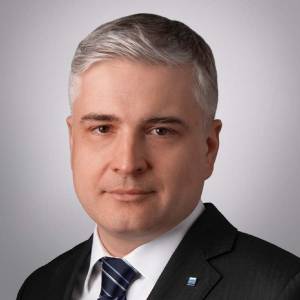
Andrey Grechkin
General Director of Dalreftrans LLC (FESCO Transport Group)
Sun Shifei
Deputy Head of the Dalian Free Trade Zone Administration
Tatyana Antipyeva
Head of the Fish Products Department, Vladivostok Sea Fishing Port, OJSC
Alexey Dolmatov
Director of Partner and Supplier Relations Mostek LLC
Natalia Shchepova
Deputy General Director for Logistics, Antey Group of Companies
Evgeny Meshcheryakov
Professional Chef and Food Production Technologist; Restaurant Projects: Blok, Zhivago, Beluga, UmiOysters, More na Patrikakh; Founder, Dary Rusi Company
Alexander Suvorov
Development Director, TopFrameModerators:
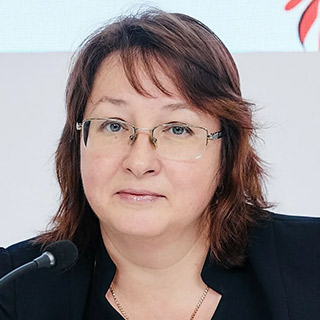
Natalia Stepanova
Deputy Secretary General, International Coordinating Council on Trans-Eurasian Transportation (CCTT)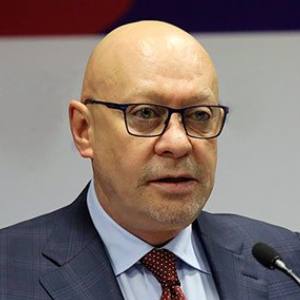
Mikhail Sinev
President, Associations of Food Sector Organizations (ASORPS)Organizers:


-
Youth Forum FISHERY SKILLS Project Session “Enabling Technological Leadership in the Industry: From Young Researchers’ Ideas to Market Implementation”
Event details:
In today's environment of intense global technological competition and accelerating scientific and technological progress, young people are emerging as the primary drivers of innovation. The new generation's ability to think outside the box, rapidly absorb cutting-edge knowledge, and propose bold solutions has become a critically important strategic asset for achieving national science and technology goals. Attracting talented youth into research and development is therefore one of the central priorities of the Decade of Science and Technology in Russia.
In line with the government's commitment to supporting gifted young people, Kerch State Maritime Technological University has deliberately built its strategy around leadership in organizing scientific and science communication events. This is evidenced by the university's three-time success in grant competitions for student research associations run by the Ministry of Science and Higher Education of the Russian Federation.
Drawing on this track record of effective practice, the university's active community of young researchers, students, and cadets has developed a project session program in the form of a simulation platform. This format is designed to bridge the interests and capabilities of the industry's commercial sector with its scientific potential. The event also incorporates advanced principles of project management drawn from the program for developing a managerial reserve in science, technology, and higher education. Using these tools, students and cadets will work on finding practical solutions to real-world industry challenges.
Organizers:
-
Presentation of the FishStat.ru Digital Ecosystem for B2B Fish Trading and the FishChat Mobile App
Showcasing the new features of the FishStat.ru digital ecosystem for online B2B fish trading and the FishChat mobile app for direct communication and deal negotiations.
Organizers:

-
Registration
-
Roundtable “Fish Seek Deeper Waters…”
Event details:
In recent years, fishing companies and researchers have increasingly been reporting a worrying trend: stocks of key commercial fish species in Russian waters are declining significantly. This is making it more difficult to ensure the stable operation of the fisheries sector and is affecting the well-being of coastal regions, where fishing is a major source of employment.
The situation is being compounded by a range of factors, from the impact of climate change on aquatic biological resources to changes in the food base and challenges related to stock replenishment. How can we strike a balance between conserving fish stocks and ensuring efficient and sustainable fisheries?
Topics to discuss:
- What are the key factors and trends behind the decline in fish stocks across the main fishing grounds?
- Methodological approaches to stock assessment amid ongoing changes
- Conserving fish stocks for future generations
Speakers:
-
Oleg Bulatov, D.Sc. (Biology), Director of Scientific Work, VNIRO
Pollock: A Key Species in Global Fisheries -
Alexey Baitaliuk, PhD (Biology), Deputy Director – Head of the Pacific Branch, VNIRO (TINRO)
Organizing and Supporting Research on Fish Resources in Russia’s Far Eastern Seas -
Vyacheslav Bizikov, D.Sc. (Biology), Deputy Director for Research – Head of the Department of Commercial Hydrobionts, VNIRO
The Future of Crab Fisheries in Russian Waters -
Konstantin Sokolov, PhD (Biology), Head of the Polar Branch of VNIRO (PINRO named after N.M. Knipovich)
Barents Sea Cod Stocks: Current Status and Trends -
Olga Maznikova, PhD (Biology), Head of the Department of Anadromous Fish of Russia, VNIRO
Pacific Salmon amid Ocean Change - Wang Yingbin, Zhejiang Academy of Agricultural Sciences, PRC, Professor
Speakers:
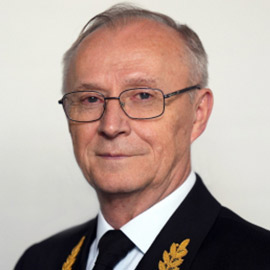
Oleg Bulatov
D.Sc. (Biology), Director of Scientific Work, VNIRO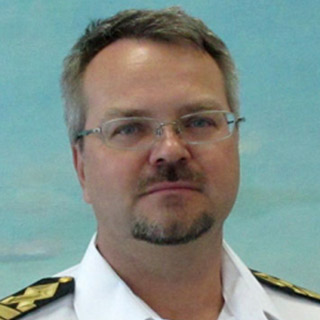
Alexey Baitaliuk
PhD (Biology), Deputy Director – Head of the Pacific Branch, VNIRO (TINRO)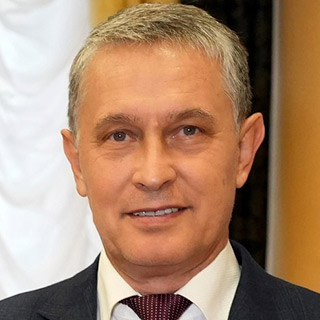
Vyacheslav Bizikov
D.Sc. (Biology), Deputy Director for Research – Head of the Department of Commercial Hydrobionts, VNIRO
Konstantin Sokolov
PhD (Biology), Head of the Polar Branch of VNIRO (PINRO named after N.M. Knipovich)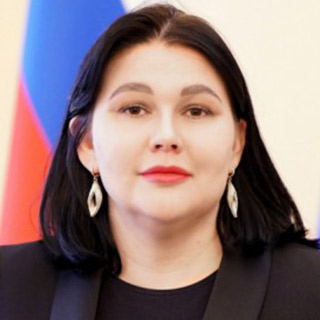
Olga Maznikova
PhD (Biology), Head of the Department of Anadromous Fish of Russia, VNIRO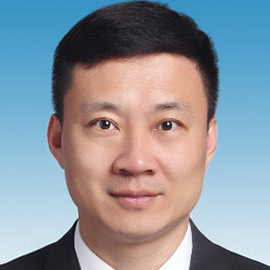
Wang Yingbin
Zhejiang Academy of Agricultural Sciences, PRC, ProfessorModerator:
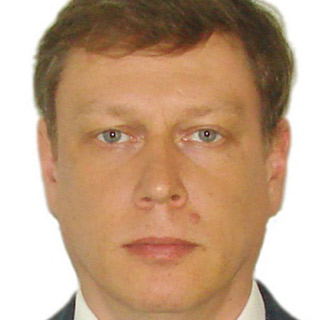
Alexander Duplyakov
President, Crab Catchers AssociationOrganizers:
-
International Trout Forum Strategic Session “Challenges and Opportunities Amid Global Transformation”
Event details:
Trout and salmon farming are becoming the most visible drivers of growth in Russia’s aquaculture sector, which has reached a plateau and now requires new development incentives. The industry needs a unified platform for sharing experience, reviewing performance results, and defining further steps to improve efficiency.
This is why the International Trout Forum is becoming a key event in the development of the aquaculture agenda. It will bring together major producers, heads of Russian regions, and representatives of friendly countries involved in the development of salmon and trout farming.
The main objective of the event is to exchange experience and develop promising areas of cooperation to ensure the most effective use of best practices among participants.
Topics to discuss:
- How do global climate and environmental changes affect trout farming in different countries, and which solutions have already proven effective and can be scaled across diverse natural conditions?
- Which production, marketing and export strategies enable trout farming to combine business sustainability with margin growth in international markets?
- Where is value added in the trout industry created across different countries: at the level of raw materials, processing, finished products, branding, marketing or market access?
- Which elements of the value chain: feed, stocking material, technology, logistics and processing, have the greatest impact on the competitiveness of the industry in different countries today?
- How do differences in natural and climatic conditions, including cold, warm and mountainous water systems, affect production costs, margin structure and export competitiveness in trout farming, and can a unified economic model for the industry exist?
Speakers:
- Turgay Türkyılmaz, Director General of Fisheries and Aquaculture, Ministry of Agriculture and Forestry of the Republic of Türkiye
- Ali Akbar Khodaei, Secretary General, Iran Fisheries Production and Trading Union
-
Xu Gefeng, Heilongjiang Fisheries Research Institute, Chinese Academy of Fishery Sciences, PRC
Rainbow Trout Farming in Mainland and Coastal Regions of China - Igor Zubarev, First Deputy Chair of the Federation Council Committee on Agriculture and Food Policy and Environmental Management
- Olga Palkina, Minister of Agriculture and Fisheries of the Republic of Karelia
- Oleg Lityaykin, Managing Director, Industry Expertise Center, Rosselkhozbank JSC
- Vladimir Zhadnov, Co-Founder, Ostrov LLC
-
Konstantin Klinov, Commercial Director of PJSC Inarktika
From Raw Material to a Value-Added Product: Where Is Value Created in the Trout Industry? -
Alexander Kononov, Deputy Director for Production, branch of the Federal State Budgetary Institution “Federal Center for Animal Health” (FGBI “VNIIZh”), Doctor of Veterinary Sciences
AquaRus-6 as the Foundation of Veterinary Safety at Aquaculture Facilities in the Russian Federation - Mancang He, Director of Development and Innovation, Group Guangzhou Chonson Beyond Technology Group
Speakers:
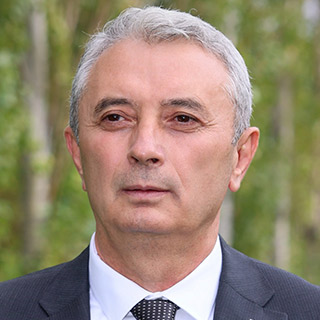
Turgay Türkyılmaz
Director General of Fisheries and Aquaculture, Ministry of Agriculture and Forestry of the Republic of Türkiye
Ali Akbar Khodaei
Secretary General, Iran Fisheries Production and Trading Union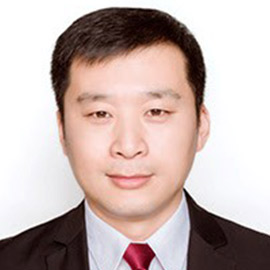
Xu Gefeng
Heilongjiang Fisheries Research Institute, Chinese Academy of Fishery Sciences, PRC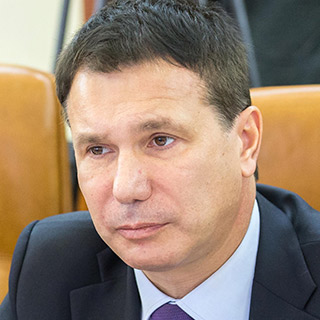
Igor Zubarev
First Deputy Chair of the Federation Council Committee on Agriculture and Food Policy and Environmental Management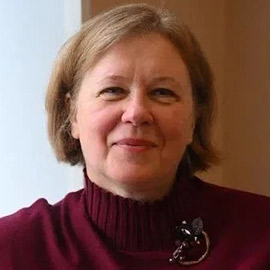
Olga Palkina
Minister of Agriculture and Fisheries of the Republic of Karelia
Oleg Lityaykin
Managing Director, Industry Expertise Center, Rosselkhozbank JSC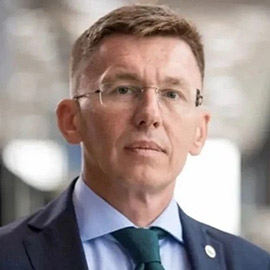
Vladimir Zhadnov
Co-Founder, Ostrov LLC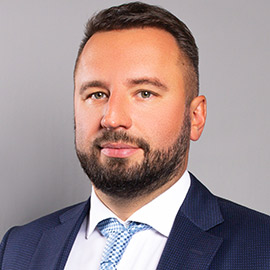
Konstantin Klinov
Commercial Director of PJSC Inarktika
Alexander Kononov
Deputy Director for Production, branch of the Federal State Budgetary Institution “Federal Center for Animal Health” (FGBI “VNIIZh”), Doctor of Veterinary Sciences
Mancang He
Director of Development and Innovation, Group Guangzhou Chonson Beyond Technology GroupModerator:
Vasily Sokolov
Deputy Head, Federal Agency for FisheriesOrganizers:

-
International Trout Forum Roundtable “Equipment, Feed, and Fish Seed: Technological Sovereignty vs International Cooperation”
Event details:
The International Trout Forum will continue with a discussion of more specialized topics. Experts, business representatives, and scientists will focus on providing Russia’s aquaculture industry with the key components required for efficient production: equipment and technologies, feed, and stocking material.
An important aspect of the discussion will be assessing whether domestic production capacity is sufficient to ensure technological sovereignty, as well as considering the best ways to import essential components. Other elements of aquaculture business economics – such as logistics and processing – will also be addressed.
Participants in the roundtable will further discuss aquaculture ecology. As an industry develops, environmental considerations become a decisive factor in expanding its production potential.
Topics to discuss:
- Which components of the value chain such as feed, stocking material and equipment are already localized in Russia and where does international cooperation remain beneficial and/or necessary?
- What lessons has international experience provided to Russian aquaculture producers and which domestic technologies and developments have the strongest potential for export and international adoption?
- What is the potential of joint aquaculture and trout farming projects to improve key production indicators including juvenile survival rates, feed efficiency and reductions in losses during transportation and processing?
- RAS or “open-system” aquaculture – cage-based and flow-through tank systems – in trout farming: production profitability, biological risks, technological solutions, and the specific features of these business models when operating in domestic and export markets.
- How modern approaches to processing and utilizing aquaculture waste – including organic residues and processing by-products – affect the cost of trout farming and its environmental sustainability, and which solutions have already demonstrated economic efficiency.
Speakers:
-
Aleksey Myshkin, Head, Freshwater Fisheries Branch, VNIRO
Architects of the Future: How Science and Business Can Build Sovereignty in Trout Farming - Pavel Afanasyev, Head of the Aquaculture and Fishery Resources Restoration Directorate, FSBI “Glavrybvod”
- Andrey Martynov, CEO of Chernomorskaya Forel LLC
- Maria Egorova, Member of the Board of Directors, Deputy General Director – Commercial Director, MELKOM Group JSC
-
Anna Chumachenko, Marketing and Communications Director at JSC “Fish Feed”
Balancing technological sovereignty and international collaboration in the company’s strategy -
Alexander Trusov, Development Director, Turkish company ASAKUA; Chairman of the International Aquaculture Association INFRAGROUP
Innovation in Aquaculture (Trout Farming): Automated Feeding and Farm Management Systems -
Evgeny Mezinov, Commercial Director, Qihang Fishing Cage Rus
Work platforms, pontoons, and piers for harsh marine environments -
Konstantin Murygin, Business Development Project Manager, NGCO New Gas Company
Efficient Technological Solutions for Oxygen Supply to Fish Farms -
Valentina Bayranbekova, Head of Fish Farming Department, Raciovet LLC
A comprehensive approach to biosecurity. Disinfection as a key tool influencing the success of the entire farm: from fish health to economic efficiency -
Valeria Evgrafova, Head of the Laboratory for the Prevention of Bacterial Diseases, Federal State Budgetary Institution “Federal Center for Animal Health” (FGBI “VNIIZh”), Candidate of Veterinary Sciences
Development of Vaccines for Preventing Fish Infections: Current Status and Prospects -
Nikolay Karelin, General Director, Algotec LLC
Chlorella in Trout Farming: One Biological Resource for Water Treatment and Feed
Speakers:
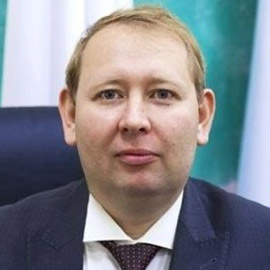
Aleksey Myshkin
Head, Freshwater Fisheries Branch, VNIRO
Pavel Afanasyev
Head of the Aquaculture and Fishery Resources Restoration Directorate, FSBI “Glavrybvod”
Andrey Martynov
CEO of Chernomorskaya Forel LLC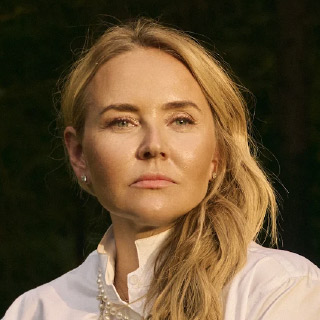
Maria Egorova
Member of the Board of Directors, Deputy General Director – Commercial Director, MELKOM Group JSC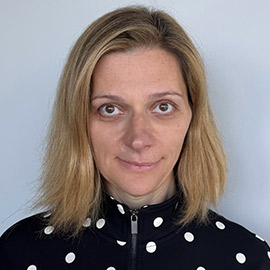
Anna Chumachenko
Marketing and Communications Director at JSC “Fish Feed”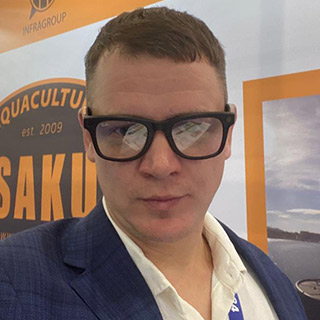
Alexander Trusov
Development Director, Turkish company ASAKUA; Chairman of the International Aquaculture Association INFRAGROUP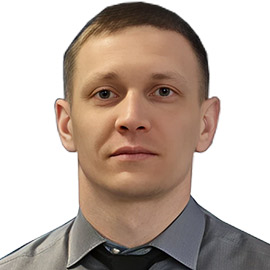
Evgeny Mezinov
Commercial Director, Qihang Fishing Cage Rus
Konstantin Murygin
Business Development Project Manager, NGCO New Gas Company
Valentina Bayranbekova
Head of Fish Farming Department, Raciovet LLC
Valeria Evgrafova
Head of the Laboratory for the Prevention of Bacterial Diseases, Federal State Budgetary Institution “Federal Center for Animal Health” (FGBI “VNIIZh”), Candidate of Veterinary Sciences
Nikolay Karelin
General Director, Algotec LLCModerator:
Victoria Barinova
Ph.D. in Agricultural Sciences, Head of the Aquaculture Department, VNIROOrganizers:
-
SHIP TECH GLOBAL Roundtable “Import substitution in shipbuilding – plans and reality”
Event details:
To implement the updated Shipbuilding Industry Development Strategy through 2036, as well as the long-term plan for civilian vessel construction through 2035, the domestic marine equipment industry is expected to supply a significant share of marine equipment products and master critical technologies. A range of state support measures and instruments has been established to achieve this.
One of them is the import substitution program, under which more than one hundred integrated projects are being implemented to develop critical marine equipment, with over half already at an advanced stage of implementation.
Localization requirements in shipbuilding are currently standardized under Government Decree No. 719, which applies to all types of vessels, including fishing vessels. For the fishing fleet specifically, reduced scoring thresholds apply, set at 2,400 points. Since 2025, a new provision has also been in force introducing a 1.4 coefficient increase in localization scores for vessels up to 30 meters in length.
However, both industry stakeholders and shipowners still have concerns regarding marine equipment manufacturers and regulatory bodies in the area of import substitution. These include the need to expand the range of domestically produced equipment, improve technical and economic performance, reduce costs for end users, and ensure accessible servicing and spare parts supply.
At the same time, marine equipment manufacturers also raise issues related to expanding support measures for actual production, improving transparency in certification processes, and ensuring the applicability of equipment in specific vessel projects.
The session proposes to examine the issue of import substitution of marine equipment from multiple perspectives – both from shipowners and manufacturers, as well as regulatory authorities – to raise key questions and potentially identify not only answers but also practical solutions.
Topics to discuss:
- Definition of new state support measures to implement plans for building the fishing fleet
- Inclusion of specific marine equipment manufacturing projects into targeted programs (with subsequent financing) based on the new Shipbuilding Industry Development Strategy
- Import substitution in shipbuilding and compliance with current localization requirements, with priority given to Russian-made equipment on vessels
- Ways to address the main current challenges in the industry, including the inability to localize certain categories of marine equipment
Within the framework of the roundtable, together with representatives of the Shipbuilding Industry and Marine Equipment Department of the Ministry of Industry and Trade of the Russian Federation, the Ministry of Agriculture, the Federal Agency for Fisheries, the Russian Maritime Register of Shipping, CNIIMF “Kurs,” United Shipbuilding Corporation (USC), shipyards, and marine equipment manufacturers, it is proposed to develop recommendations for specific measures to be included in state programs, and to identify the most pressing issues in the fishing fleet construction sector that require financing and the attention of the Shipbuilding Industry and Marine Equipment Department.
Speakers:
- Dmitry Stoyanov, Director of ANO “Sudprom”
-
Irina Panchenko, Senior Vice President, Leningrad Regional Chamber of Commerce and Industry
Typical Mistakes in Document Submission to the Chamber of Commerce and Industry - Pavel Zubkov, CEO, Morskie Kompleksnye Sistemy (MKS)
-
Nikolay Nosyrev, Head of the Design and Engineering Bureau of Technological Equipment, JSC “SSTC”
Development of a Domestic Equipment System for the Hydraulic Transportation of Fish -
Evgeny Kolmogortsev, Deputy General Director, Director of Project Management, Valcom LLC;
Olga Odegova, Deputy General Director, Valcom LLC, Director of Quality
The Experience of the Russian Company Valcom LLC and Issues Related to Confirming Product Origin -
Konstantin Globenko, General Director, RFC
Experience in Building a Series of BMT (Large Freezer Trawlers) at Russian Shipyards: Problems and Solutions - Guriy Kushner, Ph.D. in Engineering, Associate Professor, Head of the Department of Ship Electrical Equipment and Automation, Astrakhan State Technical University
Speakers:
Irina Panchenko
Senior Vice President, Leningrad Regional Chamber of Commerce and Industry
Pavel Zubkov
CEO, Morskie Kompleksnye Sistemy (MKS)
Evgeny Kolmogortsev
Deputy General Director, Director of Project Management, Valcom LLC
Nikolay Nosyrev
Head of the Design and Engineering Bureau of Technological Equipment, JSC “SSTC”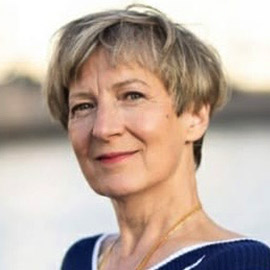
Olga Odegova
Deputy General Director, Valcom LLC, Director of Quality
Konstantin Globenko
General Director, RFC
Guriy Kushner
Ph.D. in Engineering, Associate Professor, Head of the Department of Ship Electrical Equipment and Automation, Astrakhan State Technical UniversityModerator:
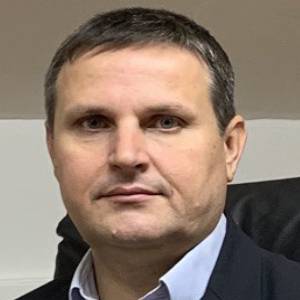
Dmitry Stoyanov
Director of ANO “Sudprom”Organizers:

-
Roundtable “Fish in the Age of Globalization: Economics and Consumption – From Price to Value”
Event details:
The concept of the event is to foster a discussion on global price formation in Russia and in international markets – from past through present to future – and on evolving consumption trends. The central message is that, against the backdrop of global population growth and stagnating wild catch volumes, competition in the global market for healthy protein will only intensify. Fish will no longer be a cheap commodity; therefore, it is essential to shift public attention from price to value in relation to fish products.
It is evident that the increase in fish prices is driven by multiple factors. This trend applies to the global market as a whole, and there are no objective grounds to expect prices to decline. Fish prices are rising at a pace that outstrips official inflation. However, to what extent does fish actually diverge from overall food inflation when compared with other product categories?
In the Russian Federation, four aquatic biological resources account for 69% of total catch, while the next four species contribute only an additional 10%, bringing the total to 80%. Surplus volumes are exported, also fulfilling the national objective of increasing export revenues from the agro-industrial sector. Other species harvested by Russian fisheries, due to limited volumes and the specifics of processing and logistics at the federal level, are more suited to regional consumption and are not well adapted to the main distribution channel – federal retail chains. The issue of species diversity is therefore addressed through imports. As a result, Russia effectively “trades fish for fish” and is one of the key players in the global seafood market; consequently, it must operate under global rules and accept international pricing.
What is to be done?
It is necessary to communicate to the public – particularly to younger generations – that the “cheap” fish of the Soviet era and today’s fish products are fundamentally different. By clearly conveying the nutritional and societal benefits of fish consumption, it is possible to enhance the perceived value of the product and increase consumer satisfaction.
Topics to discuss:
- What does the global seafood market look like in terms of capture fisheries and aquaculture production volumes, as well as product diversity (trends across 1960–1990–2020/2025–2050)? What are the global price trends, including examples from leading countries? How do price levels compare with purchasing power and standards of living?
- What are the dynamics of fish consumption across continents and in major countries (population over 100 million)? Where is population growth concentrated, and how is fish consumption evolving in these regions, particularly in Southeast Asia, Africa, and the Arab world? How does income stratification (rising or declining incomes) correlate with changes in consumption patterns (for example, the growth of the middle class in China driving demand for high-value products such as crab)?
- A global trend is the declining interest in fish among younger generations, partly due to the westernization of diets (the popularity of fast food, snacks, and other less healthy options). This issue affects many countries, including Russia, Norway, Japan, the United States, and Korea. What approaches already exist to shift the attention of younger consumers toward healthy fish products? Can this trend be reversed through marketing?
- What programs are being implemented in different countries to increase fish consumption, taking into account national production specifics? For example, how does Norway – one of the world’s largest salmon producers – develop both domestic and export demand? How does the United States promote consumption of pollock and crab? What policies are pursued by major global players in balancing export strategies with domestic consumer interests?
- Fish vs. meat: which protein sources are prioritized by leading economies? How are shares of meat, poultry, and fish distributed within the “protein plate” in countries such as the United States, the EU, China, the Republic of Korea, and other major markets?
- The price of fish products is influenced not only by raw material costs but also by factors such as logistics (including fuel costs), sanctions, and other constraints. What is happening in international logistics in terms of freight rates, cargo volumes, and trade flows? How are transportation costs for seafood changing globally (by region) and in Russia, and how does this affect production costs? What support measures for seafood transportation exist in other countries?
- How can a new consumer perception be shaped: shifting from “Fish is expensive” to “Fish is healthy and tasty”? Health is invaluable and should not be compromised. What programs, tools, and policy measures can enhance the perceived value of fish products and increase consumer satisfaction?
Speakers:
- Oleg Kobiakov, Director, FAO Russia Liaison Office
- Dr. Phung Duc Tien, Former Deputy Minister of Agriculture and Environment of Vietnam, Member of the 16th National Assembly - President of the Vietnam Fisheries Association (VinaFIS)
-
Andrey Kim, Chief Representative of the Federal Agency for Fisheries in the Republic of Korea
The Republic of Korea as a Global Hub and Key Consumer of Fish Products: Market Balance and Demand Dynamics -
Nikolay Mochalov, Analyst, Fish Union
On Fisheries Catch Trends, Global Market Dynamics, and the Ratio of Fish to Meat Consumption (Pork/Chicken) - Inna Titova, Head of the Department of Food Technology at KSTU
- Ekaterina Stegantseva, Marketing Director of the brand group at Unifrost Group
-
Andrey Grechkin, General Director, Dalreftrans (FESCO Transportation Group)
On International Logistics
Speakers:
Oleg Kobiakov
Director, FAO Russia Liaison Office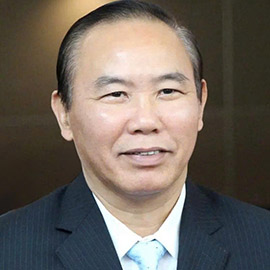
Dr. Phung Duc Tien
Former Deputy Minister of Agriculture and Environment of Vietnam, Member of the 16th National Assembly - President of the Vietnam Fisheries Association (VinaFIS)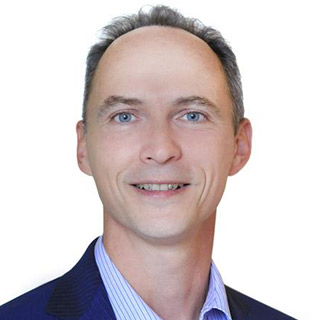
Oleg Moskvin
Commercial Director, Russian Fishery Company
Andrey Kim
Chief Representative of the Federal Agency for Fisheries in the Republic of Korea
Nikolay Mochalov
Analyst, Fish Union
Inna Titova
Head of the Department of Food Technology at KSTU
Ekaterina Stegantseva
Marketing Director of the brand group at Unifrost Group
Andrey Grechkin
General Director of Dalreftrans LLC (FESCO Transport Group)Moderators:
Artem Suvorov
Head of Projects, Agro-Industrial Complex and Consumer Sector Practice, Strategy Partners
Alexey Merkulov
Marketing Advisor to the Russian Fishery and Seafood Company (RFC), Partner at Graph Communications AgencyOrganizers:

-
SHIP TECH GLOBAL Roundtable “Fishing Fleet – Moving from Present to Future”
Event details:
The Russian Government has revised its approach to implementing the second stage of the investment quota program, shifting its focus toward the construction of small- and medium-tonnage fishing vessels. Under the updated regulations, the quota allocations linked to the construction of these vessels have been doubled.
These changes have the potential to become a major driver for the modernization of the largest segment of Russia's fishing fleet. At the same time, achieving this objective presents a number of significant challenges.
The experience gained during the first stage of the investment quota program demonstrated that the primary obstacle lies in the differing economic priorities of the key stakeholders. Fishing companies are primarily concerned with construction speed, predictable delivery schedules, and the operational readiness of vessels, whereas shipbuilders focus on production capacity utilization, equipment availability, cost escalation risks, and the extent to which a project can be integrated into existing production cycles. In addition, successful implementation requires modern vessel designs that are both cost-effective and adapted to today's realities of sourcing shipboard equipment and components.
These challenges are further compounded by the need for updated government support measures and incentive mechanisms that adequately address the interests of both shipyards and vessel owners.
The roundtable "Industrial Fleet – Moving from Present to Future" will bring together representatives from across the fleet construction value chain to explore possible scenarios for the industry's future development. Discussions will cover both large-scale fleet construction and the modernization of small- and medium-tonnage vessels, taking into account the Russian Government's updated shipbuilding strategy, revised shipyard production plans, and current state support programs.
Particular attention will be devoted to the small fishing vessel segment. Vessel owners and fleet operators will discuss the operational challenges they currently face and the specific requirements associated with small fishing vessels. Together with shipyards and naval architects, participants will identify priority incentive mechanisms and potential improvements to existing government support measures that could accelerate the renewal of this vital segment of the fishing fleet.
Topics to discuss:
- Analysis of the current situation in the fishing fleet shipbuilding sector
- Ways to improve the efficiency of fishing fleet construction at shipyards
- Definition of a list of critical marine equipment and materials, and the potential use of Russian-made equipment in domestic concept designs for fishing vessels
- Strengthening cooperation with shipowners at all stages of vessel construction
- Improving the competitiveness of Russian fishing vessel designs in terms of delivery time and quality
- Identification of the most critical areas in vessel design for potential inclusion in state programs and shipyard subsidy schemes
Speakers:
- Vladislav Repin, Chief Engineer, Hotcha Marine Design
-
Oleg Martens, Representative of the Marfish Group of Companies
Modernization of Small Fishing Vessels: Achievements, Challenges, and Government Support -
Alexey Timoshchuk, Head, Technical Supervision Department for Industry and Shipbuilding, Russian Maritime Register of Shipping
Modern Shipbuilding: Statistics, Practice, and New Opportunities - Svetlana Kolodyazhnaya-Sheremetyeva, Deputy Representative of the Republic of Crimea to the President of the Russian Federation
- Alexander Bely, General Director, Pregol Ship Repair Company
- Andrey Belov, General Director, Svetlovsky Ship Repair Yard
Speakers:
Vladislav Repin
Chief Engineer, Hotcha Marine Design
Oleg Martens
Representative of the Marfish Group of Companies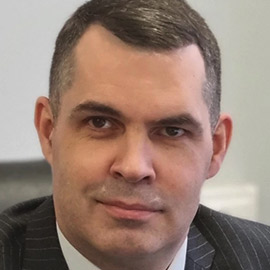
Alexey Timoshchuk
Head, Technical Supervision Department for Industry and Shipbuilding, Russian Maritime Register of Shipping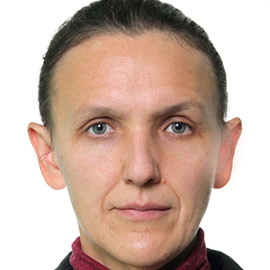
Svetlana Kolodyazhnaya-Sheremetyeva
Deputy Representative of the Republic of Crimea to the President of the Russian Federation
Alexander Bely
General Director, Pregol Ship Repair Company
Andrey Belov
General Director, Svetlovsky Ship Repair YardModerator:
Vladislav Repin
Chief Engineer, Hotcha Marine DesignOrganizers:
-
Awards Ceremony for the Winners of the “Best Fish Product” Competition
Event details:
The seafood aisle is becoming clearer and more shopper‑friendly. Seafood Expo Russia is launching a new "Best Fish Product" Competition designed to spotlight the industry's top offerings and give consumers a fresh, reliable benchmark when making their choice. Winners will earn the right to display gold, silver, or bronze medals on their packaging, serving as a mark of recognized quality and taste. Taking part in the competition offers brands a valuable opportunity to boost visibility and present their products to millions of potential buyers. Applications are open until 31 July.
Organizers:
-
Golden Pollock Award for Advancing Pollock Consumption and Product Promotion by RFC
The Golden Pollock Award was established by the Russian Fishery Company (RFC). It is presented to partners for effective collaboration, the development and introduction of new pollock products, high product quality, and successful market promotion.
Organizers:

-
“Fish Day Every Day” Award for Contributions to the Promotion of Seafood Consumption
Event details will be released soon.
Organizers:

-
Roundtable “Fish Day Every Day: Expanding Seafood Consumption”
Event details:
The session is proposed as a practice-oriented industry discussion based on the working group approach of the Fish Union “Fish Day Every Day,” focused on increasing fish consumption and promoting the healthy nutrition agenda. The central idea is to explore which joint actions by government, producers, brands, processors, retailers, fishers, and communication platforms can transform fish from an occasional purchase into a staple of everyday consumption.
The session will also present the first results of the working group. The relevance of the topic is confirmed by the fact that, despite a high level of self-sufficiency in fish production, domestic consumption in Russia still has significant growth potential, and the issue of increasing fish and seafood consumption has already become established in both industry and public discourse.
The “Fish Day Every Day” concept is viewed as an overarching framework for a systematic approach to consumer engagement, retail, product assortment, price accessibility, and healthy lifestyle communication.
Key objective:
To develop a shared understanding of the key drivers of growth in fish consumption in Russia and to discuss practical measures that market participants are ready to implement jointly within the framework of the “Fish Day Every Day” program.
Topics to discuss:
- What currently prevents fish from becoming a regular choice for most Russian households: price, consumption habits, cooking complexity, or insufficient communication?
- Which product categories and formats currently offer the greatest potential for increasing consumption?
- From the retail perspective, what is most effective in increasing purchase frequency: pricing, shelf placement, in-store navigation, content, or brand collaborations?
- What joint actions is the industry ready to take within the framework of the Fish Union working group approach?
Speakers:
- Alexander Panin, Chairman, Fish Union
- Alexandra Sukhareva, Category Development Director for “Fruits, Vegetables and Ultra-Fresh” at the Perekrestok retail chain
- Olga Deeva, Marketing Director, Agama Company
- Ekaterina Kulenko, Marketing Director, Meridian
- Alexandra Salamatova, Head of Marketing, Mnogolososya
- Kirill Kolpakov, R&D Technologist, Fish Category, VkusVill
- Kirill Kostyna, Managing Director, Corporate Banking Department, Rosselkhozbank JSC
- Natalia Shchenikova, Category Management Director for the Ultra-Fresh & Frozen (UFF) category, Supermarket Lenta
Speakers:
Alexander Panin
Chairman, Fish Union
Vyacheslav Lashchevsky
Chairman of the Board of Directors, AGT Communications Group
Alexandra Sukhareva
Category Development Director for “Fruits, Vegetables and Ultra-Fresh” at the Perekrestok retail chain
Olga Deeva
Marketing Director, Agama Company
Ekaterina Kulenko
Marketing Director, Meridian
Alexandra Salamatova
Head of Marketing, Mnogolososya
Kirill Kolpakov
R&D Technologist, Fish Category, VkusVill
Kirill Kostyna
Managing Director, Corporate Banking Department, Rosselkhozbank JSC
Natalia Shchenikova
Category Management Director for the Ultra-Fresh & Frozen (UFF) category, Supermarket LentaModerators:
Olga Naumova
Member of the Supervisory Board, Unifrost Group; Partner, Transformation Partners
Alexey Merkulov
Marketing Advisor to the Russian Fishery and Seafood Company (RFC), Partner at Graph Communications AgencyOrganizers:
-
Open Talk “Look Beyond the Horizon!”
Event details:
“Look Beyond the Horizon!” is a traditional event where top industry leaders and students from fisheries universities meet as equals. Winners of university competitions held in 2026 will present and defend their projects and may receive offers directly from leading industry representatives.
Experts:
- Ilya Shestakov, Head, Federal Agency for Fisheries
- Kirill Kolonchin, D.Sc. in Economics, Director, VNIRO
- Alexander Mikhailov, Head, Centre for Fisheries Monitoring and Communication System
- Anna Sheveleva, General Director, Baltiysky Bereg Trading House
- Konstantin Globenko, General Director, RFC
Participants:
-
Kirill Kovalev, Second-Year Postgraduate Student in Food Systems, Department of Technological Machinery and Equipment, Astrakhan State Technical University
GARUM: A Natural Fermented Fish Sauce Made from Secondary Resources and Low-Value Fish Species Using the Mycelial Fungus Aspergillus oryzae -
Vladimir Ukhin, fifth-year cadet majoring in the Operation of Marine Power Plants (specialty 26.05.06), Kerch State Maritime Technological University
Advanced Propulsion and Steering Systems for Vessels -
Aleksey Sheremetev, Fourth-Year Bachelor’s Degree Student in Computer Science and Computer Engineering, Kamchatka State Technical University
An Intelligent Computer-Vision System for Detecting Defects on Fish-Processing Lines -
Artur Voloshin, First-Year Postgraduate Student in Fisheries, Aquaculture, and Industrial Fishing, Kaliningrad State Technical University
Research Systems for Measuring the Hydromechanical and Electromechanical Parameters of a Small Fishing Catamaran for the Development of an Automatic Trawling System -
Anastasia Politaeva, Postgraduate Student at the Department of Aquatic Bioresources and Aquaculture, Far Eastern State Technical Fisheries University
Developing a Computer-Vision System for the Automated Recording and Monitoring of Mariculture Biodiversity Based on Underwater Imaging Using a Remotely Operated Underwater Vehicle
Experts:
Ilya Shestakov
Head, Federal Agency for Fisheries
Kirill Kolonchin
D.Sc. in Economics, Director, VNIRO
Alexander Mikhailov
Head, Centre for Fisheries Monitoring and Communication System
Anna Sheveleva
General Director, Baltiysky Bereg Trading House
Konstantin Globenko
General Director, RFCModerator:
Nikolay Zimagorov
Adviser to the Head, Federal Agency for FisheriesOrganizers:

-
AQUA FARM GLOBAL Roundtable “The Future of Russian Aquaculture: Ecology, Feed, and Genetic Sovereignty Through the Lens of International Experience”
Event details:
Aquaculture in Russia remains one of the fastest-growing sectors of agriculture. At the same time, the recent stagnation in aquaculture production volumes highlights a number of challenges that need to be addressed in order to bring the sector to a new level of development.
Looking at global aquaculture practices, we can see that many of the leading aquaculture-producing countries have faced similar challenges. To varying degrees, these countries have managed to address the problems that emerged at different stages of the sector’s development or mitigate the impact of various limiting factors, enabling further growth in aquaculture production.
The Roundtable will bring together industry experts to discuss aquaculture development pathways in different countries, examine global trends and approaches, and explore tools for overcoming the challenges and limiting factors that inevitably arise in a rapidly developing sector.
Speakers:
- Dmitry Yakimov, CEO, MELKOM-Market LLC (part of MELKOM Group JSC)
- Lars Sundqvist, Deputy General Director for Aquaculture, MELKOM Group JSC
- Victoria Barinova, Ph.D. in Agricultural Sciences, Head of the Aquaculture Department, VNIRO
- Nikolay Müge, PhD (Biology), Head of the Department of Genetics and Genomic Selection, VNIRO
- Alexander Malashenko, Head of the Department of Science and Aquaculture, Federal Agency for Fisheries
- Evgeny Kats, Director of the Department for Regulation in Fisheries and Aquaculture, Ministry of Agriculture of the Russian Federation
Speakers:
Dmitry Yakimov
CEO, MELKOM-Market LLC (part of MELKOM Group JSC)
Lars Sundqvist
Deputy General Director for Aquaculture, MELKOM Group JSC
Victoria Barinova
Ph.D. in Agricultural Sciences, Head of the Aquaculture Department, VNIRO
Nikolay Müge
PhD (Biology), Head of the Department of Genetics and Genomic Selection, VNIRO
Alexander Malashenko
Head of the Department of Science and Aquaculture, Federal Agency for Fisheries
Evgeny Kats
Director of the Department for Regulation in Fisheries and Aquaculture, Ministry of Agriculture of the Russian FederationModerator:
Roman Artemov
PhD in Engineering, Associate Professor; Director, Department of Applied Research of Compound Feed and Scientific Support of Production, VNIROOrganizers:

-
Roundtable “Fish for Children: Integrating Fish into School Meals”
Event details:
Establishing fish dishes in children’s diets is one of the fundamental objectives in achieving the goal set by the President of the Russian Federation, V. V. Putin, to increase fish consumption among the population, as dietary habits are formed in childhood. One of the key tools in this direction is increasing fish consumption within the school meals system.
Today, this objective is hindered by a range of factors, from the absence of a mandatory requirement to include fish in school meal menus, allowing substitution with other food products, to the “human factor” affecting the quality of fish preparation in school kitchens and, consequently, the level of acceptance and consumption of fish dishes by children.
Topics to discuss:
- Importance of fish consumption for children’s health and development
- Level of fish consumption in schools
- Opportunities to expand the range of fish products in public and municipal procurement for school meals
- Reducing the “human factor” in the preparation of fish dishes: the role of industrial processing and the development of training for fish technologists
- Balancing nutrition and taste: what modern producers are ready to offer schoolchildren in terms of fish-based meals
Speakers:
- Evgeny Kats, Director of the Department for Regulation in Fisheries and Aquaculture, Ministry of Agriculture of the Russian Federation
- Irina Novikova, Director of the Novosibirsk Research Institute of Hygiene, Rospotrebnadzor, Doctor of Medical Sciences, Professor
- Valentina Ivanova, Doctor of Economics, Professor, Director of the Federal Center for Monitoring Nutrition of Students, Federal Institute for Digital Transformation in Education
- Stanislav Aksenov, President, Association of Fishing Fleet Owners
- Larisa Sanatovskaya, Executive Director, National Parents’ Association
- Oleg Moskvin, Commercial Director of RFC
- Zarina Zyamzina, Marketing Director, VICI
- Evgeny Meshcheryakov, Professional Chef and Food Production Technologist; Restaurant Projects: Blok, Zhivago, Beluga, UmiOysters, More na Patrikakh; Founder, Dary Rusi Company
Speakers:
Evgeny Kats
Director of the Department for Regulation in Fisheries and Aquaculture, Ministry of Agriculture of the Russian Federation
Irina Novikova
Director of the Novosibirsk Research Institute of Hygiene, Rospotrebnadzor, Doctor of Medical Sciences, Professor
Valentina Ivanova
Doctor of Economics, Professor, Director of the Federal Center for Monitoring Nutrition of Students, Federal Institute for Digital Transformation in Education
Stanislav Aksenov
President, Association of Fishing Fleet Owners
Larisa Sanatovskaya
Executive Director, National Parents’ Association
Oleg Moskvin
Commercial Director of RFC
Zarina Zyamzina
Marketing Director, VICI
Evgeny Meshcheryakov
Professional Chef and Food Production Technologist; Restaurant Projects: Blok, Zhivago, Beluga, UmiOysters, More na Patrikakh; Founder, Dary Rusi CompanyModerator:
Oleg Pavlov
Chairman, Chairman of the Public Council under Rospotrebnadzor, Chairman of the public consumer rights organization “Public Consumer Initiative”Organizers:

-
AQUA FARM GLOBAL Roundtable “Selective Breeding and Genetics in Aquaculture: A Breakthrough Strategy for Technological Independence”
Event details:
In recent years, global science has made remarkable strides in the breeding and genetics of aquatic biological resources. Researchers have developed new strains of valuable fish, including fast‑growing sturgeon and salmonids with enhanced disease resistance.
However, the introduction of international sanctions has complicated access to foreign fish seed, which has been the foundation of Russia's fastest‑growing aquaculture sector, particularly for trout and salmon production. Russian fisheries science now faces serious challenges: the urgent need to accelerate the development of domestic research and technology infrastructure, to train qualified personnel, and to scale up successful breeding practices.
At the same time, new opportunities are emerging, including closer cooperation with partner countries and the localization of critical component production. This roundtable is intended to assess the current state of Russian genetics in the field of aquatic biological resources, identify key bottlenecks, and outline strategic priorities for the years ahead.
Key objectives:
- To assess the current level of import dependency in aquaculture breeding and genetics, and to identify the key drivers of growth
- To showcase cutting-edge scientific developments and practical case studies from Russian breeding centers and hatcheries
- To explore promising models of cooperation with international partners, including experience exchange, joint research initiatives, and technology transfer
- To develop actionable proposals for adjusting government policy and support measures with the aim of achieving technological sovereignty in breeding and genetics
Topics to discuss:
- What achievements by Russian geneticists in developing new fish breeds can be considered the most significant, and how competitive are they on the international stage?
- How realistic is it to establish a full-cycle production chain for aquaculture seed stock in Russia over the medium term, from fundamental research through to commercial-scale output? What steps would be required to make this a reality?
- Which breakthrough areas in genomics, such as genome editing and marker-assisted selection, hold the greatest promise for Russian aquaculture over the next five to ten years? What are the associated risks and ethical considerations?
- What forms of collaboration with international partners offer the most promising opportunities?
- What are the main gaps in the current regulatory and legal framework governing genetic research and breeding in Russian aquaculture, and what changes are needed to accelerate the uptake of innovation?
Speakers:
-
Viktor Golod, PhD (Biology), Deputy Director, Federal Selective and Genetic Center, Glavrybvod
Technological Sovereignty Strategy: Government Support for Breeding and Genetics in Aquaculture -
Nikolay Müge, PhD (Biology), Head of the Department of Genetics and Genomic Selection, VNIRO
Modern Approaches to Breeding and Genetic Technologies in Aquaculture -
Viktoria Averyanova, Head of a Project Area, Project Office of the Directorate of Scientific and Technical Programs
Implementing a Program to Establish and Develop Breeding Centers in Agriculture: Experience, Achievements, and Development Prospects -
Elena Moiseeva, Director, Ardon-Fish Trout Fry Production Company; Founder of FishLab Aquaculture School; Developer of the M2-Aquaculture Accounting Program
The Economics of Genetics: How Breeding Shapes the Profitability of Trout Farming -
Viktor Dementyev, Head, Laboratory of Fish Genetics and Breeding, Freshwater Fisheries Branch of the State Scientific Center of the Russian Federation, VNIRO
Carp Breeding: Current State of the Field -
Hu Hongxia, Institute of Fisheries, Beijing Academy of Agriculture and Forestry Sciences, Beijing
Sturgeon Breeding: China’s Experience
Speakers:
Viktor Golod
PhD (Biology), Deputy Director, Federal Selective and Genetic Center, Glavrybvod
Nikolay Müge
PhD (Biology), Head of the Department of Genetics and Genomic Selection, VNIRO
Viktoria Averyanova
Head of a Project Area, Project Office of the Directorate of Scientific and Technical Programs
Elena Moiseeva
Director, Ardon-Fish Trout Fry Production Company; Founder of FishLab Aquaculture School; Developer of the M2-Aquaculture Accounting Program
Viktor Dementyev
Head, Laboratory of Fish Genetics and Breeding, Freshwater Fisheries Branch of the State Scientific Center of the Russian Federation, VNIRO
Hu Hongxia
Doctor of Science, Research Professor, Head of the Research Program on Selective Breeding, Institute of Fisheries, Beijing Academy of Agriculture and Forestry Sciences, ChinaModerator:

Irina Yesipova
Strategic Communications Advisor, Federal State Budgetary Institution “Glavrybvod”Organizers:
-
FAO Publications Presentation on Fisheries and Aquaculture in the Black Sea and the Miditerranean
Event details:
The Azov-Black Sea Basin is one of the most important fisheries regions of Eurasia, making a significant contribution to food security, employment and the socio-economic development of coastal territories. At the same time, the sustainable development of fisheries and aquaculture in the region requires addressing a range of challenges related to the conservation of aquatic living resources and biodiversity, the recovery of valuable fish species, adaptation to climate change, and the implementation of modern approaches to the sustainable management of marine ecosystems.
In this context, FAO is organizing a presentation of new publications addressing key issues related to sustainable fisheries, aquaculture and the conservation of aquatic resources in the Black Sea and the Mediterranean. The event will provide representatives of government agencies, scientific institutions, fisheries organizations, aquaculture enterprises and educational institutions with an opportunity to learn about the latest research findings, practical recommendations and best international practices in these fields.
All publications presented at the event have been prepared by experts of the General Fisheries Commission for the Mediterranean (GFCM), FAO’s regional fisheries management organization that brings together countries of the Mediterranean and Black Sea basins to promote the conservation and sustainable use of marine living resources, the development of aquaculture, and the strengthening of the scientific basis for fisheries management. The GFCM plays a leading role in the development of regional measures for stock recovery, the conservation of vulnerable species and marine ecosystems, as well as in the dissemination of scientific knowledge and best practices among its members.
The presentation will feature the special edition of FAO’s regional flagship publication, The State of Mediterranean and Black Sea Fisheries 2025, which provides the most comprehensive overview of the current status of the fisheries and aquaculture sector in the region. The report presents up-to-date information on the state of fish stocks, aquaculture development, socio-economic aspects of coastal communities and the outcomes of measures implemented to ensure the sustainable management of aquatic resources. Particular attention is given to stock recovery, fisheries sustainability and the implementation of FAO’s Blue Transformation agenda.
A key part of the programme will be devoted to Black Sea Turbot: A Comprehensive Production Manual, the first FAO publication to provide comprehensive technical guidance on the farming of one of the most valuable commercial fish species in the Black Sea Basin. The manual summarizes the latest scientific knowledge and practical experience related to the breeding, hatchery production and grow-out of turbot and is intended to support the further development of sustainable marine aquaculture in the region.
Special attention will also be given to two new GFCM practical guides on the safe handling and release of aquatic animals. Safe Handling and Release of Sturgeons in the Black Sea supports regional efforts to conserve endangered sturgeon populations by providing recommendations to minimize harm during accidental capture, scientific research and stock enhancement activities. Safe Handling and Release of Piked Dogfish in the Black Sea offers practical measures to reduce the mortality of this vulnerable shark species when accidentally caught and forms part of broader GFCM efforts to conserve marine biodiversity in the Black Sea.
The event will provide participants with an opportunity to become familiar with the main findings and practical recommendations contained in these publications, discuss current trends in fisheries and aquaculture development in the region, and explore opportunities for applying international experience to promote the sustainable use of aquatic living resources in the Azov-Black Sea Basin.
Speaker:
- Haydar Fersoy, FAO Senior Fisheries and Aquaculture Officer for Europe and Central Asia, Secretary of the Central Asian and Caucasus Regional Fisheries and Aquaculture Commission (CACFish)
Speaker:
Haydar Fersoy
FAO Senior Fisheries and Aquaculture Officer for Europe and Central Asia, Secretary of the Central Asian and Caucasus Regional Fisheries and Aquaculture Commission (CACFish)Organizers:
-
Industry football match
The teams representing the organizers and participants of the Globak Fishery Forum & Seafood Expo Russia — the “Sea Guards” and the “Fishing Guard” — will meet for the third time. This year, however, they will take to the pitch at Petrovsky Stadium for the first time.
As is now tradition, each team will be joined by professional footballers, including Vladimir Gabulov, Aleksandr Kerzhakov, Andrey Karyaka, Pavel Pogrebnyak, Aleksandr Samedov and Dmitry Sychev. The “Sea Guards” will be captained by Ilya Shestakov, Head of the Federal Agency for Fisheries, while the “Fishing Guard” will be led by Eduard Klimov, Chairman of the Board of Directors of the Fishnews media holding.
The shuttle bus will depart at 6:00 PM. Boarding will take place opposite Entrance No. 6 of Expoforum Convention and Exhibition Centre, between Pavilions G and F in the passage.
Admission to the stands is available with Forum and Expo participant badges and invitations from the organizers.
For more information, see the Fan Guide.
Organizers:
-
Registration
-
Business Breakfast “Fish vs meat: how to win the battle for the Russian consumer’s plate?”
Traditional partner event of the Global Fishery Forum.
Organizers:

-
Roundtable “BRICS Fishery Trade Routes: Russia’s Export Potential”
Event details:
Russian seafood exporters have been operating under restrictive measures in unfriendly markets for several years, facing new challenges annually and continuously adapting to them.
In 2026, the United States extended its embargo on Russian fish products. High import tariffs imposed by the United Kingdom and the European Union, as well as other export restrictions, also remain in place.
At the same time, there is still a need to reduce barriers even in friendly markets. Lowering these barriers in BRICS countries is one of the key measures required to support the development of Russian seafood exports.
Topics to discuss:
- Current and target indicators of seafood exports
- Key barriers in external markets today and opportunities for their reduction
- Potential and priorities for developing seafood exports to BRICS countries
- Challenges and opportunities for increasing exports of high value-added seafood products to BRICS countries
- Prospects for developing certification schemes alternative to MSC for BRICS countries
- Development of electronic certification for exports
Speakers:
- Andrey Yakovlev, Deputy Head, Federal Agency for Fisheries
- Ilya Ilyushin, Head, Agroexport
- Vasily Lavrovsky, Advisor to the Head, Federal Service for Veterinary and Phytosanitary Surveillance (Rosselkhoznadzor)
- Alexey Osintsev, President, Fishery Shipowners Association
- Alexander Mikhailov, Head, Centre for Fisheries Monitoring and Communication System
- Alexander Timchenko, Representative of the Ministry of Agriculture of the Russian Federation in the Republic of South Africa
- Lyu Daqiang, Chairman, Liaoyu Group Co. , Ltd
- Thamires Quinhões, Executive Director, ABRAPES
- Alexey Buglak, President of the Pollock Harvesters Association
- Svetlana Panfilova, Deputy Governor of Murmansk Oblast, Minister for Arctic Development and Economy of Murmansk Oblast
Speakers:
Andrey Yakovlev
Deputy Head, Federal Agency for Fisheries
Ilya Ilyushin
Head, Agroexport
Vasily Lavrovsky
Advisor to the Head, Federal Service for Veterinary and Phytosanitary Surveillance (Rosselkhoznadzor)
Alexey Osintsev
President, Fishery Shipowners Association
Alexander Mikhailov
Head, Centre for Fisheries Monitoring and Communication System
Alexander Timchenko
Representative of the Ministry of Agriculture of the Russian Federation in the Republic of South Africa
Lyu Daqiang
Chairman, Liaoyu Group Co. , Ltd
Thamires Quinhões
Executive Director, ABRAPES
Alexey Buglak
President of the Pollock Harvesters Association
Svetlana Panfilova
Deputy Governor of Murmansk Oblast, Minister for Arctic Development and Economy of Murmansk OblastModerator:

Polina Kirova
Expert in Russia’s fisheries sectorOrganizers:
-
Official tour of the exposition
-
Global Fishery Forum Plenary session “Where Is the Fish?”
Event details:
The development of the fisheries sector is among the strategic priorities of Russia’s state policy. The President of the Russian Federation has repeatedly emphasized the importance of the industry’s development. Russia is one of the world’s leading fishing nations, with an extensive coastline, substantial fish resources, well-developed capture fisheries and aquaculture.
The plenary session “Where Is the Fish?” will focus on the changes currently taking place in the industry and shaping its future development. Fishing and logistics conditions are changing, while climate factors are affecting the distribution and abundance of certain species. These developments are creating new challenges in some areas and opportunities for growth in others.
New fishing grounds, the growth of commercial aquaculture, including mariculture, the expansion of value-added processing and logistics optimization will become key drivers of the industry’s development. Russia already supplies fish products to more than 100 countries. However, further growth will depend not only on expanding the geography of exports, but also on changing the structure of supplies by increasing the share of fillets, ready-to-eat products, value-added products and other products with higher added value.
In addition, over the past decade, commercial aquaculture production in Russia has increased 2.5-fold, reaching nearly 400,000 tonnes. By 2030, the industry will need to transition to a more intensive development model by adopting advanced farming technologies, developing domestic genetics and selective breeding, improving feeding efficiency, strengthening veterinary safety and creating standardized solutions for different climatic zones and fish species.
At the same time, interest in fish and demand for fish products among Russian consumers are growing. All of this places a key task before the industry: ensuring a sustainable supply of high-quality fish products to the domestic market. At the same time, the development of processing and the supply of higher-value products will help strengthen Russia’s position in international markets.
The discussion will bring together industry leaders, representatives of the scientific community, international delegations and businesses. The answer to the session’s central question – “Where Is the Fish?” – will serve as a starting point for discussing practical solutions: where the most promising growth areas for capture fisheries and aquaculture are located, which technologies can help unlock their potential, and how to ensure a sustainable supply of fish products to the domestic market.
Welcome speech:
- Andrey Yatskin, First Deputy Chairman of the Federation Council
- Alexander Beglov, Governor of Saint Petersburg
Speakers:
- Dmitry Patrushev, Deputy Chairman, Government of the Russian Federation
- Ilya Shestakov, Head, Federal Agency for Fisheries
- Alexander Tsybulsky, Governor, Arkhangelsk Region
- Irina Zhachkina, First Deputy Chairman of the Board, Rosselkhozbank JSC
- Savely Karpuhin, Chairman of the Board of Directors, RFC
- Didit Herdiawan Ashaf, Vice Minister of Marine Affairs and Fisheries of the Republic of Indonesia
- Miwako Takase, Managing Director, Japan Fisheries Association
- Zheng Xianhu, Director of the Heilongjiang Fishery Research Institute, Chinese Academy of Fishery Sciences (CAFS)
Welcome speech:
Andrey Yatskin
First Deputy Chairman of the Federation Council
Alexander Beglov
Governor of Saint PetersburgSpeakers:
Dmitry Patrushev
Deputy Chairman, Government of the Russian Federation
Ilya Shestakov
Head, Federal Agency for Fisheries
Alexander Tsybulsky
Governor, Arkhangelsk Region
Irina Zhachkina
First Deputy Chairman of the Board, Rosselkhozbank JSC
Savely Karpuhin
Chairman of the Board of Directors, RFC
Didit Herdiawan Ashaf
Vice Minister of Marine Affairs and Fisheries of the Republic of Indonesia
Miwako Takase
Managing Director, Japan Fisheries Association
Zheng Xianhu
Director of the Heilongjiang Fishery Research Institute, Chinese Academy of Fishery Sciences (CAFS)Moderator:
Alexey Bobrovsky
Economic Analyst, Director of the Institute for Global Market StudiesOrganizers:
-
FishCorr awards ceremony
FishCorr is a competition for publishers, representatives of Russian media outlets and authors (including bloggers) who write and broadcast about the development of the fishery industry, restoration of aquatic bioresources and environmental issues.
The competition sponsored by the Federal Agency for Fishery has been conducted since 2019.
Organizers:

19-20 September (Festival)
-
Fish Gastronomic Festival “Russkaya Ryba”
Event details:
The Global Fishery Forum & Seafood Expo Russia will continue with the Fish Gastronomic Festival “Russkaya Ryba”, taking place in St. Petersburg on September 19-20.
25,000 guests, 12 original restaurant concepts, dozens of chefs, and the full diversity of Russian fish and seafood – all in one of St. Petersburg’s most vibrant venues.
The Fish Gastronomic Festival “Russkaya Ryba” is a large-scale gastronomic event bringing together food enthusiasts, fishing industry professionals, traders, importers, seafood suppliers, and HoReCa professionals. At the Brusnitsyn Cultural Quarter in St. Petersburg, visitors will embark on a journey through the world of fish cuisine – from signature dishes created by leading chefs to exciting culinary competitions for both professionals and enthusiasts.
The festival will bring together:
- 12 unique Russian fish restaurant concepts, each with its own style, menu, atmosphere, and culinary vision
- Bars and food-pairing experiences – carefully selected pairings for fish and seafood, curated by professional sommeliers
-
Gastronomic shows:
- Live butchering of large tuna and signature cooking demonstrations
- The legendary Kamchatka-style fish soup made with Chinook salmon and seafood in a 1,200-litre cauldron
- An open kitchen featuring spectacular live cooking by chefs right in front of the audience
- “Fish on the Grill” Championship – a competition bringing together professional chefs and top grilling teams from cities across Russia
-
Masterclasses for both enthusiasts and professionals:
- Signature recipes from renowned chefs
- Secrets of preparing fish and seafood
- Modern technologies, culinary traditions from around the world, and emerging gastronomic trends
- HoReCa Forum – a platform for restaurateurs, chefs, and suppliers to exchange expertise and discuss what makes the ideal fish dish for the menu of the future
- An exhibition of fish and seafood products, equipment, and supplies, featuring leading companies from across the industry
“Russkaya Ryba” is where the best ideas in fish cuisine become new gastronomic discoveries. Here, the expertise of chefs, the capabilities of the industry, and visitors’ passion for new flavors come together to present fish in an entirely new way.
Discover the flavour of Russia’s leading gastronomic event dedicated to fish and seafood.
Organizers:
The current version of the business program is preliminary and will be expanded